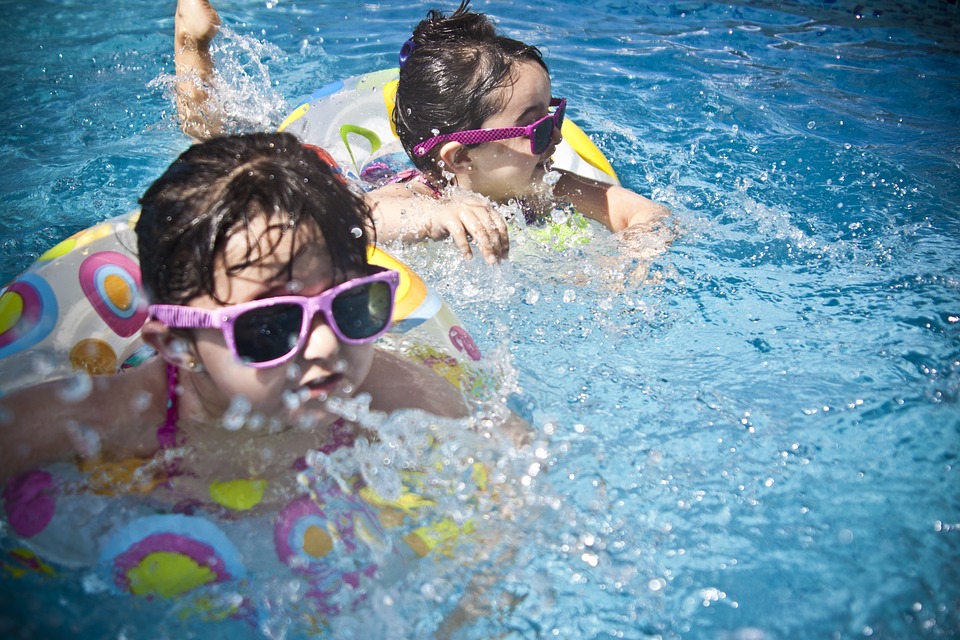
Doha: As the temperatures begin to rise and the start of summer approaches, children are beginning to spend more time swimming, an expert has cautioned parents about the importance of taking steps to limit the risk of ear infections in their children.
According to Dr Faisal Abdulkader, Senior Consultant Otolaryngologist, Head and Neck Surgeon at Hamad Medical Corporation (HMC), extensive moisture in the ear can irritate and break down the skin in the canal, letting bacteria or fungi enter the ear. He says complaints about otitis externa, also known as swimmer’s ear, are more frequent during the summertime when swimming is common and children spend more time in the water.
“Letting children splash around in the pool or the sea is a great way to promote physical activity and help them stay cool. But all that time in the pool can lead to some unwanted consequences, namely swimmer’s ear,” says Dr Abdulkader.
He explains that the condition is typically easy to identify and results in redness and swelling of the ear canal and outer ear. Dr Abdulkader says the infection, which is caused by water remaining in the ear and subsequent bacteria growth, is a one-time occurrence for many patients but can become a chronic problem, especially if treatment is neglected.
While HMC’s Ear, Nose, and Throat (ENT) Department predominantly cares for patients with complex disease of the ear, nose, and throat, specialists at the department receive referrals from the Emergency Department and treat patients with chronic ENT conditions referred from primary healthcare centers.
Dr Abdulkader cautioned against the use of home treatments, such as concoctions to flush the ears and the insertion of cotton swabs and other foreign objects into the ear and he highlighted steps that could be taken to help prevent swimmer’s ear.
“The use of earplugs when swimming and over-the-counter solutions that can help break up blockages can be useful in preventing ear infections. Using a hair dryer on a very low setting or a soft towel to dry the outer ears after swimming can also be effective. Avoid putting cotton swabs or other foreign objects into the ear, as these can push material deeper into the ear canal,” says Dr Abdulkader.