Under the leadership of its Chairperson, H E Sheikha Al Mayassa bint Hamad bin Khalifa Al Thani, Qatar Museums (QM) is organising a set of dynamic educational public talks this month at the Museum of Islamic Art (MIA). The talks are part of QM’s continued commitment to inspire an indigenous culture of creativity and educate the next generation of artists and culture enthusiasts in Qatar.
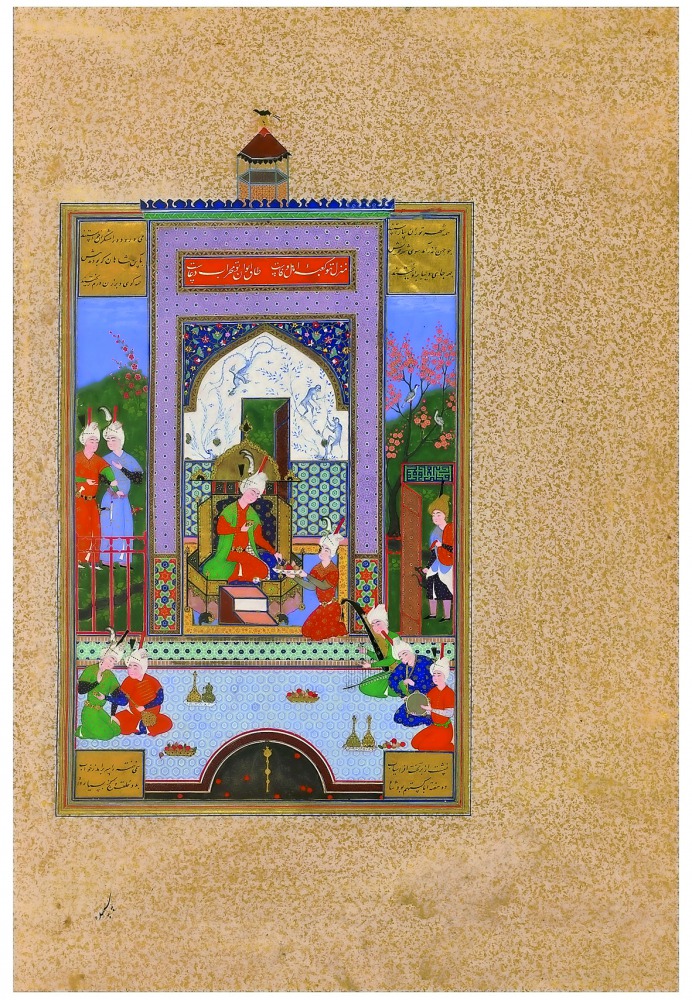
Taking place in conjunction with MIA’s latest exhibition, Imperial Threads: Motifs and Artisans from Turkey, Iran and India, which looks at the cultural interplay of three great empires, QM will be organising a talk tomorrow on “Artistic exchange through diplomacy between the Ottomans and the Safavids” that will be led by Dr Sinem Casale, Assistant Professor at the University of Minnesota. This will be followed by a talk on May 10 on “Disassembling Thousands of Nails: conserving an 18th century Safavid chest” that will be led by MIA Conservators Geraldine Aubert and Dr Stefan Masarovic.
Khalid Yousef Al Ibrahim, Chief Strategic Planning Officer at Qatar Museums said: “At Qatar Museums, we are committed to providing a range of enriching and fun learning experiences for the community to enjoy. Our public talks take place throughout the entire year and feature talented and inspirational international speakers from all disciplines. Through these activities, we aim to educate the general public about our collections and the painstaking work that goes into their care, with the hope of developing creative, compassionate and engaged individuals.”
During the talk tomorrow, Dr Sinem Casale will explore the relationships between diplomacy and the spread of artistic ideas, particularly between the Ottomans and the Safavids. She will share in-depth insights looking at the relationship between the empires in the early modern period and the fascinating objects that were sent as gifts between their courts.
Separately, on May 10, MIA Conservators Geraldine Aubert and Dr Stefan Masarovic will share insights from the extensive conservation that they carried out on an 18th century Safavid “Shirazi” Chest.