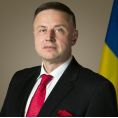
Neerav Patel
On 10 April, Prime Minister Sir Keir Starmer visited Doha to meet His Highness the Amir Sheikh Tamim bin Hamad Al Thani, and His Excellency the Prime Minister Sheikh Mohammed bin Abdulrahman Al Thani. He came at a critical moment, as a friend, to underscore Britain’s solidarity and chart a path forward together.
This is the most serious conflict the region has faced in a generation. Iran’s attacks—reckless and destabilising—placed civilians, infrastructure, and global supply chains at risk. Qatar played no role in causing this conflict yet found itself under threat, as did the thousands of British citizens who live here. The Prime Minister thanked His Highness for the exceptional work of Qatar’s authorities in keeping our people safe.
From the outset of this war, the United Kingdom has made a clear-eyed decisions about the role we should play. Our focus has been on promoting stability and British interests. We judged that offensive action risked widening the conflict and imposing serious economic harm far beyond the Middle East.
But we stood firmly with Qatar and our Gulf partners. This was not just declaratory: we took immediate action. Within hours of Iran’s attacks, UK and Qatari leaders were in constant contact. Aircraft went airborne, defence systems activated, and our personnel operated together in real time.
At the heart of our efforts was the UK-Qatar Joint Typhoon Squadron. Deployed at Qatar’s request before the conflict began, British and Qatari pilots have flown defensive missions every day since. This effort extends across the region. More than 1,000 British personnel took part in defensive operations across the Gulf and Cyprus. UK aircraft have intercepted over a hundred hostile drones. We have deployed additional air-defence systems and specialist teams across the GCC. British naval assets now operate at heightened readiness, equipped with advanced mine-hunting capabilities to counter threats to international shipping.
The Strait of Hormuz is also at the heart of this crisis. Iran’s attempts to close this vital artery is global extortion. Freedom of navigation is not negotiable. No state has the right to close a strait used for international navigation. This principle sits at the heart of the law of the sea, shared by Britain and Qatar as proud maritime trading nations. Britain has mobilised international support, convening over forty countries to agree steps to reopen the Strait safely. Qatar has been a central partner throughout: steady, credible, and instrumental.
The Prime Minister’s visit focused on what comes next. A ceasefire is welcome, but it does not end the problem. We must work towards a more durable peace, building on recent talks in Islamabad. Turbulence is becoming a new norm — the Iran crisis followed Gaza, a pandemic, and a European war. The UK is also clear that recent escalatory action by Israel, including in Lebanon and Palestine, has been deeply damaging. Any durable settlement must prevent wider escalation and protect civilians.
Global problems require global solutions. Tehran must not feel it can hold the Gulf or the global economy at risk. We must strengthen Qatari and regional defences, contain Iran’s ability to threaten shipping, and anchor this in strong partnerships and credible deterrence. The UK is increasing defence spending and strengthening our armed forces — supporting Ukraine, protecting shipping, and backing the sovereign leadership of Gulf countries.
For both Qatar and the UK, this crisis underlines a simple lesson: partnerships built in calm endure in crisis. The Joint Squadron already existed. Defence ties were already deep. Trust was already there. When Iran acted, we did not scramble—we responded. Now we must renew and deepen those bonds for this more dangerous world.
- H E Neerav Patel is the British Ambassador to the State of Qatar