Doha, Qatar: The Doha Film Institute (DFI) has announced the recipients of its 2026 Spring Grants programme, awarding support to 48 film projects from 39 countries as part of its continued commitment to nurturing independent cinema and emerging filmmaking talent from Qatar, the Middle East and around the world.
The latest grants cycle reflects the growing diversity and international reach of the Institute’s flagship funding initiative, backing first— and second-time filmmakers globally alongside established directors from the Middle East and North Africa (MENA) region working on post-production projects.
This year’s recipients include filmmakers from Qatar as well as Algeria, Djibouti, Egypt, Iraq, Jordan, Lebanon, Morocco, Palestine, Saudi Arabia, Somalia, Sudan, Syria, Tunisia and the UAE. International selections span countries including Canada, Chile, Cuba, France, Peru, the Philippines, Rwanda, South Africa, Spain, Thailand and the United Kingdom.
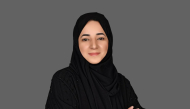
Chief Executive Officer of Doha Film Institute, Fatma Hassan Alremaihi, said the programme continues to reinforce the role of cinema in preserving culture and amplifying authentic voices.
“In a world that is constantly changing, culture remains one of our most powerful anchors — preserving our memories, shaping our identities and connecting us across generations,” she said. She added that the supported filmmakers represent “the storytellers of tomorrow,” whose work documents the present, challenges perceptions and creates a lasting cinematic record for future generations.
The Spring 2026 grants cover projects across multiple categories, including feature narratives, documentaries, television series, web series, short films and experimental works at different stages of development, production and post-production.
Among the Qatari projects selected for development are Moments We Lived by Ibrahim Albuainain, a satirical stop-motion series exploring everyday social and cultural life; Harf Esem: Forced Landing by Mohammed A Al-Suwaidi, which follows two classmates racing to protect the Arabic language from an alien accidentally erasing its letters; and Spooky Saeko by Alhanoof Mubarak Alnaemi, a mystery centred on childhood trauma and hidden truths.
Qatari productions receiving support in the production category include Qadar by Aisha Al-Khanji, which follows a struggling coffee artisan seeking redemption, and Intuition by Aysha Alabdulla, a story about a young man confronting fear and self-doubt while pursuing his dream of becoming a chef.
Several projects explore themes of displacement, migration, identity, conflict and resilience. These include About Love & September Laws, set during political upheaval in Sudan; Searching for Nidal, which examines love and war through personal documentation; and The Lions of Canaan, a documentary following the Palestine national football team’s pursuit of FIFA World Cup qualification.
The selected films also highlight environmental issues, indigenous heritage, women’s empowerment and intergenerational memory.