Bartalla: An Iraqi officer shuffled through identity cards as he sat at a battered desk by the side of the dust-blown highway heading east from the city of Mosul.
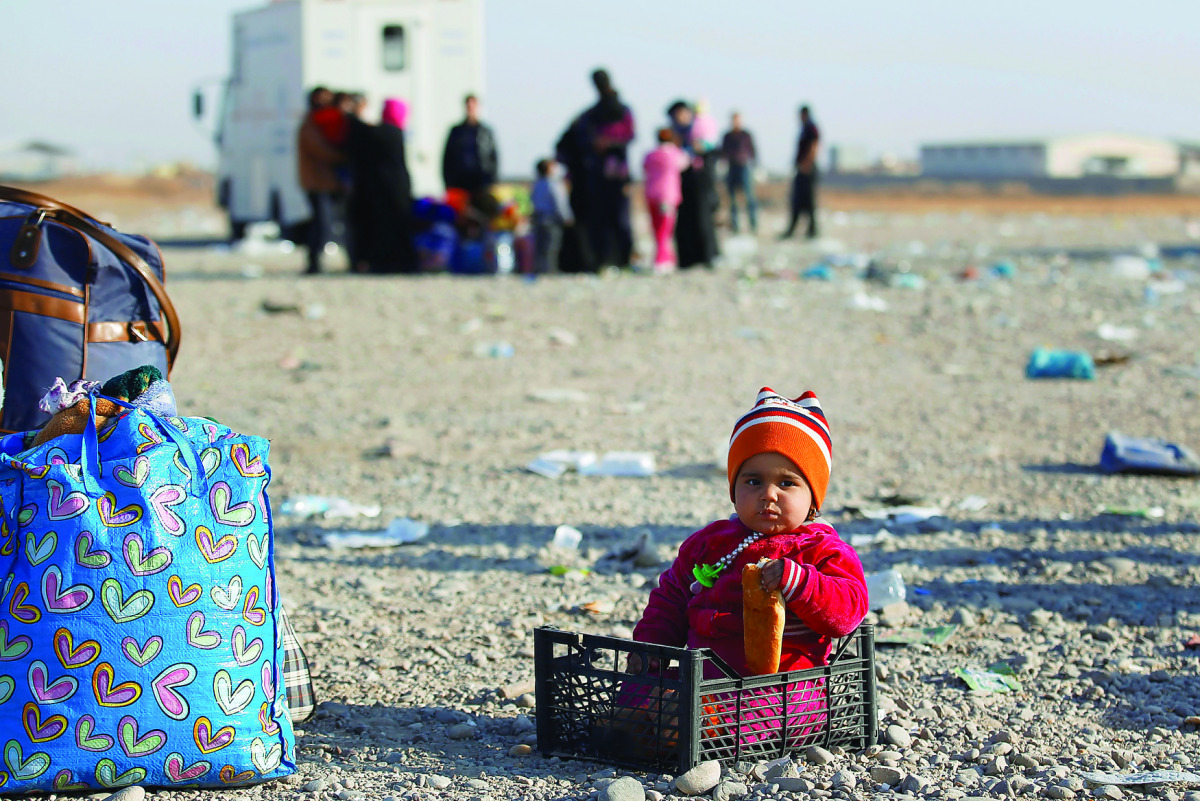
Six men in dirt-spattered tracksuits huddled nearby, waiting on a concrete slab, part of the latest convoy of civilians to flee fighting as government forces try to oust Islamic State jihadists from the city.
Clutching a phone to his ear, the officer stood up and read out the men's names one by one, waiting a second to receive a word from the person on the other end. He then handed them back their identity cards and let them go.
Eventually, only one man remained. The officer repeated his name several times, his voice rising.
Suddenly, he grabbed the man and started hauling him into a makeshift cell at the back of what was once a roadside car workshop.
"Everyone in Mosul knows who the terrorists are," said Lieutenant Ali of Iraq's special forces, part of a group of officers involved in the screening.
Some 70,000 civilians have fled the violence since Iraqi forces started the offensive to retake Mosul last month.
After more that two years of extremist rule over the city of more than a million inhabitants, the authorities are desperate to stop any jihadists escaping among the throngs of displaced civilians.
To do this, they say they use a database of intelligence collected from different sources, including Western spy agencies, old records and Mosul residents who lived under IS.
"We get information from Mosul because of the difficulties people suffered during the two-and-a-half years under Daesh," Ali said, using an Arabic acronym for IS.
Official figures are not made public on how many people have been detained by the various forces fighting IS — the Iraqi army, special forces, police and Kurdish peshmerga.
Intelligence officer Ali, who did not give his second name, estimated that some five percent of the men fleeing the city have been held on suspicion of cooperating with IS.
That would mean hundreds — if not thousands — are currently detained.
Iraqi officials say the men they detain are investigated and — if enough evidence is provided of their ties to IS — put on trial.
Some parts of Mosul's population initially welcomed the jihadists, following abuses committed by the Shia-dominated security forces against the Sunni-majority city's residents before IS swept in. And when the daily hardships of life in IS's tyrannical "caliphate" became evident, some level of acceptance of the jihadist organisation was sometimes necessary to survive.