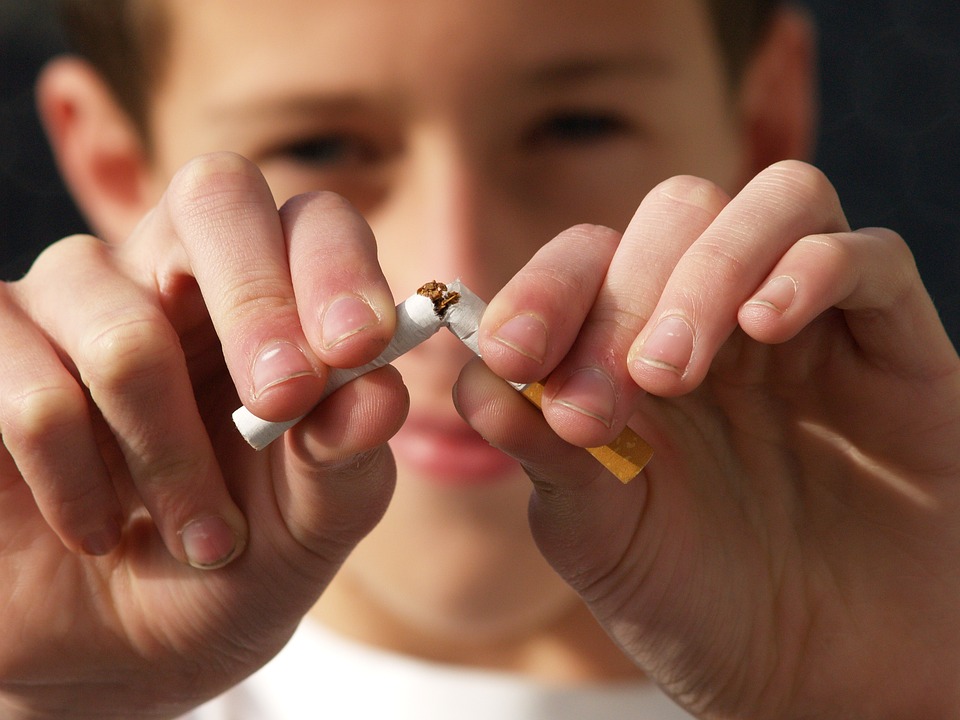
Representational image
DOHA: More than 3,600 patient visited the Smoking Cessation Clinic over the past year, said Hamad Medical Corporation’s (HMC) Tobacco Control Center. HMC is seeing more and more patients wanting to stop smoking, where 40 percent of those who seek treatment are considered among the heavy smokers who smokes more than 30 cigarettes a day.
The Tobacco Control Center is finalizing plans to train social workers, school counselors, and other professionals who have regular interactions with school-aged children to serve as ‘anti-smoking advocates’.
Dr Jamal Abdullah (pictured below), a Smoking Cessation Specialist at HMC, said that due to the recent inauguration of the new Tobacco Control Center as well as HMC’s anti-smoking awareness programs, more people are learning about the support that is available to help them quit. This has led to a surge in the number of visits to the Smoking Cessation Clinic.

According to Dr Abdullah, patients attending the Clinic receive one-on-one counseling and appropriate nicotine replacement or pharmaceutical support. Patients also undergo a full assessment, including a complete medical history and related evaluations, such as lung function tests. As part of the assessment, clinicians talk to patients about available treatment options, which include the most modern and effective solutions to quit smoking.
“Medications such as varenicline and bupropion and nicotine replacement therapies such as gums, patches, sprays, inhalers, or lozenges are prescribed for some patients, particularly those who are considered heavy smokers with severe addictions. Any patient who is prescribed medication is closely monitored and the drug therapy is always prescribed as a short-term solution. We recently introduced a new laser therapy treatment which is being used for the first time in the region. Each session takes about 20 minutes and the laser stimulates selected areas of the body, for example, the ears, face, and wrists. It does not cause any pain or negative side effects and so far has proved to be very successful,” said Dr Abdullah.
Psychological support is also a core part of treatment. Smoking is far more addictive than many drugs and according to Dr Abdullah, it isn’t uncommon to see patients who have quit experience a relapse. Mohamed Ahmad, a 42-year-old patient of the Clinic who was able to quit smoking after 20 years, says he understands how addictive nicotine is.
“I was a smoker for 20 years and smoked around two packs a day. I managed to quit two years ago and stopped smoking for a whole year; however, unfortunately, I started up again. During the last few months of 2017, I decided to try and quit for good. I knew my health was being adversely affected as I had chest pain, had frequent headaches and was experiencing weakness in my body. I immediately went to the Clinic and the receptionist gave me an appointment. The doctor listened to my concerns and talked to me about the different treatment options available. I began treatment and with the support of the Clinic and God, I was able to quit. Now I’ve completely changed my lifestyle. I exercise and play sports and enjoy time with my family,” said Ahmad.