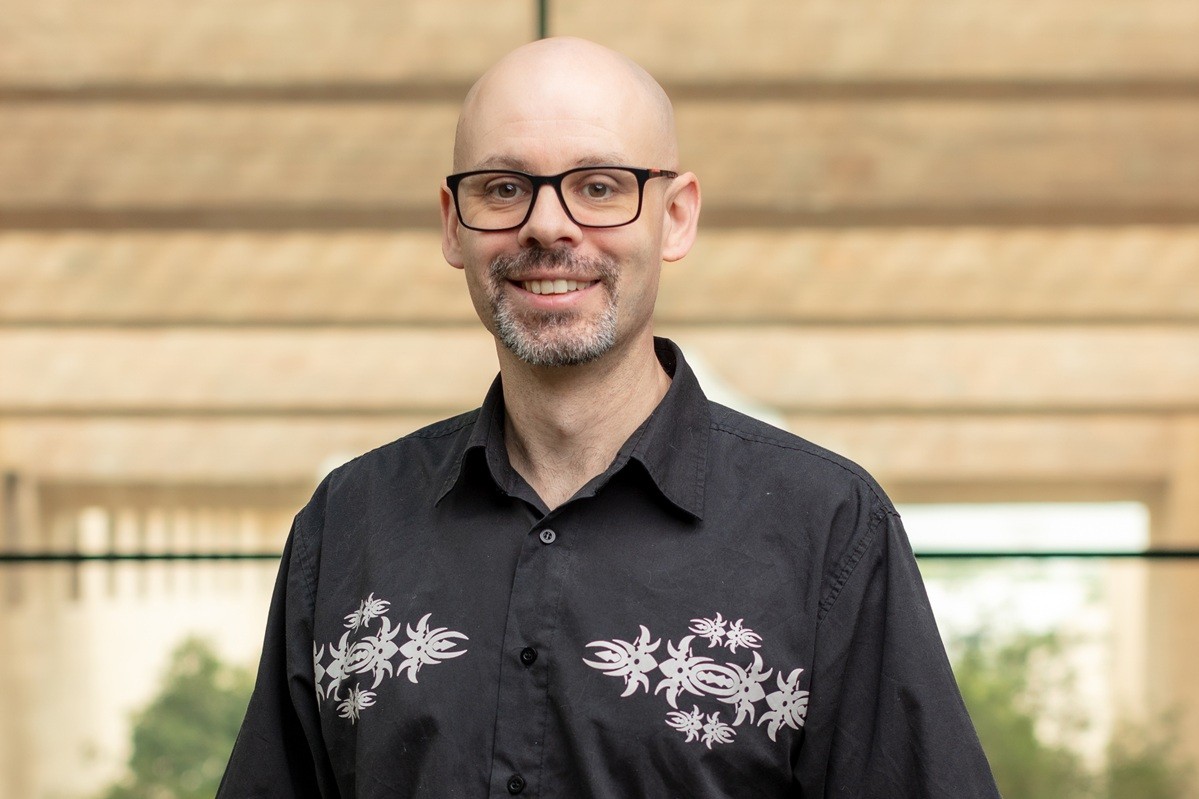
Associate teaching professor of chemistry at CMU-Q and faculty director of the EcoCampus committee, Dr. Simon Faulkner
Doha, Qatar: At a time when sustainability is moving from aspiration to obligation, Carnegie Mellon University in Qatar (CMU-Q) is positioning its campus as a living model of environmental responsibility aligned with the goals of Qatar Foundation and the ambitions of Qatar National Vision 2030.
Through its EcoCampus initiative, the university is embedding sustainability into teaching, research, operations, and everyday decision-making and shifting it from policy statements to practical action. By partnering with Earthna Centre of QF and engaging the wider Education City community, CMU-Q is ensuring that its environmental commitments are not symbolic gestures, but measurable contributions to Qatar’s long-term national development agenda.
“When sustainability becomes a decision-making lens rather than a policy, the first change needs to be cultural and behavioural and that takes time and intentionality,” Associate teaching professor of chemistry at CMU-Q and faculty director of the EcoCampus committee, Dr. Simon Faulkner told The Peninsula.
Through the EcoCampus initiative and the Green Flag programme, sustainability at CMU-Q “stops living in documents and starts shaping our everyday decisions as a community,” he said.
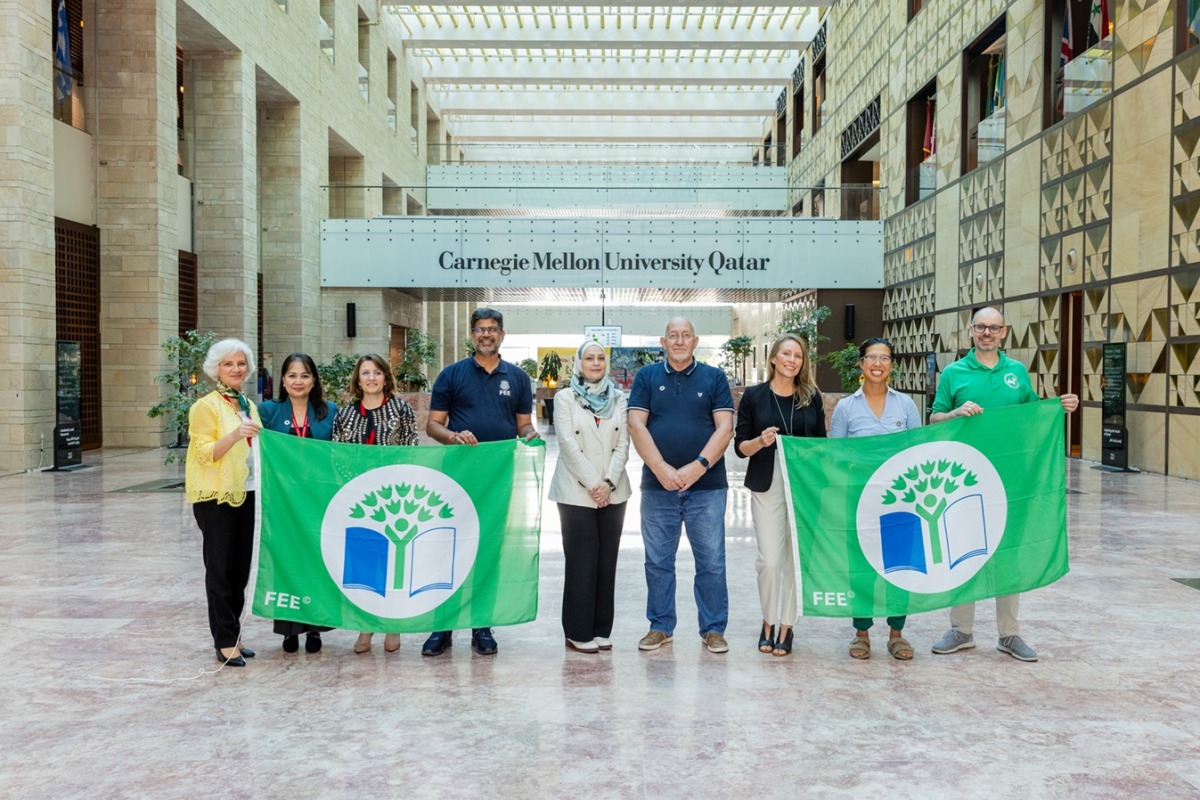 Green flag programme
That shift touches everything from how events are organized and how food is responsibly sourced to waste management and student engagement in research and operations.
“We want our community to ask: ‘What’s the most responsible option?’ as a default, not an afterthought,” added Dr. Faulkner a passionate educator who integrates the UN Sustainable Development Goals (SDGs) into science curricula, using chemistry as a lens to address real-world environmental challenges.
According to Dr.Faulkner, EcoCampus anchors environmental responsibility firmly in teaching, research, and student experience. The programme is periodically audited by Earthna Centre and the Foundation for Environmental Education (FEE), creating an external framework that ensures systematic reporting of sustainability-focused curricula and undergraduate research.
“The FEE framework helps ensure our curricula and undergraduate research efforts are systematically reported and allow us, in turn, to tackle real-world issues,” he said.
Faculty are encouraged to integrate sustainability into their courses or approach it through an undergraduate research lens, while a sustainability charter signed by the dean signals leadership-level commitment.
CMU-Q’s campus functions as what Dr.Faulkner describes as a “living laboratory,” translating ideas into practice through EcoCampus-led initiatives and student research opportunities.
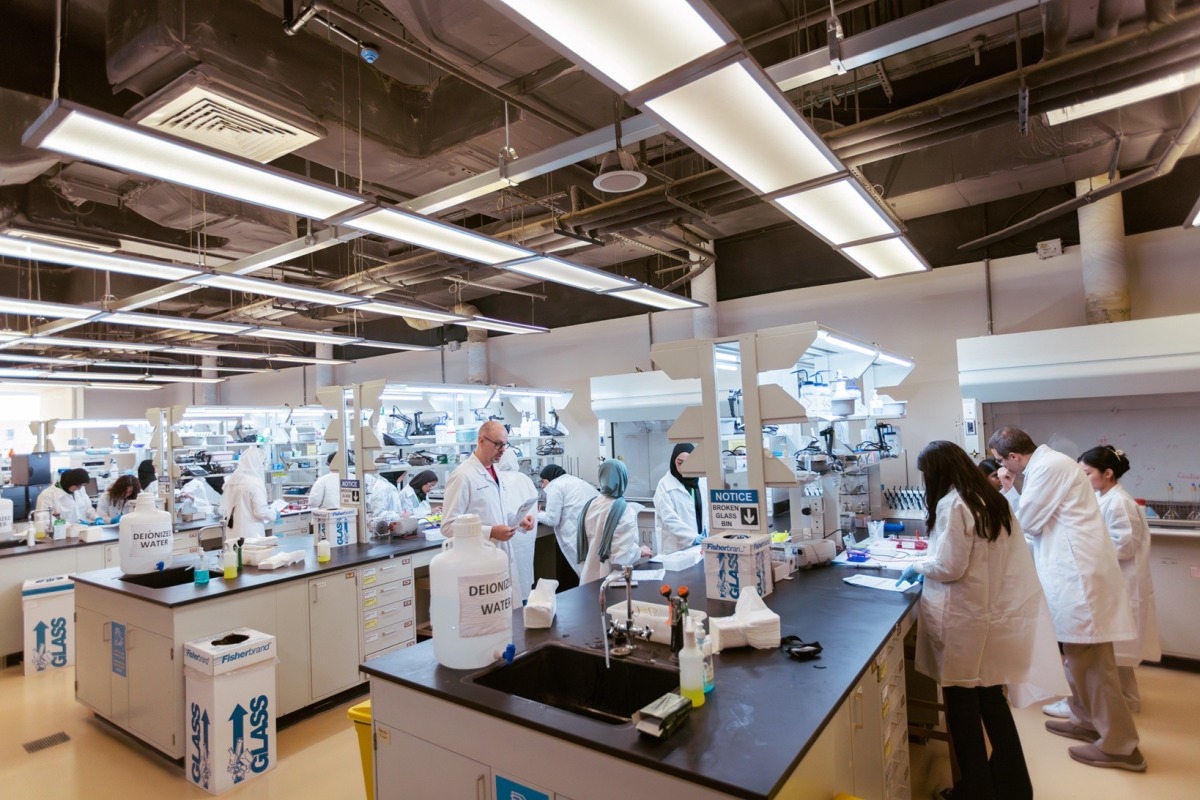
One example is the Meeting of the Minds poster presentation sustainability award, which showcases student and faculty projects addressing sustainability solutions, often within a Middle Eastern context.
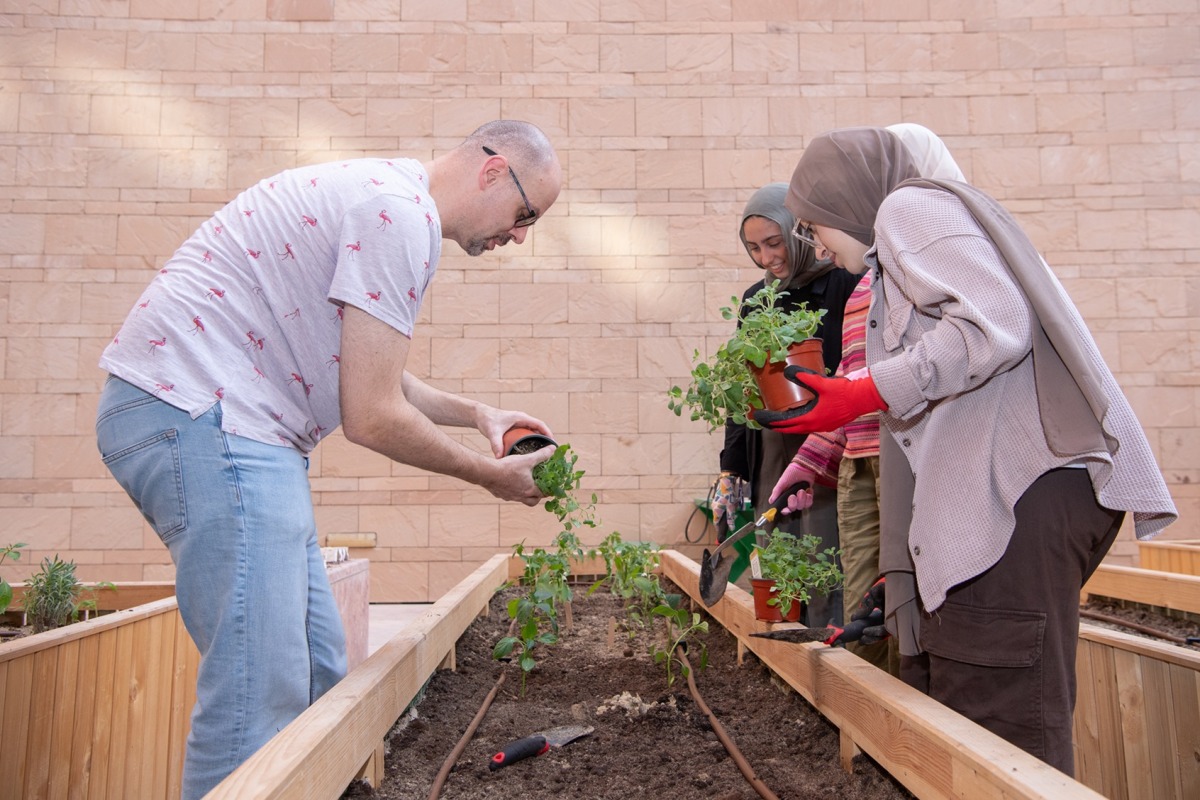
Meanwhile, the university’s community garden is being shaped by lessons learned from Hadiqaa, applying regionally grounded approaches to sustainable gardening suited to the MENA climate.
“These efforts help us test ideas informed by local knowledge and genuinely suited to MENA conditions, they are not just theoretical models,” Dr.Faulkner said.
Sustainability challenges in the Gulf require fundamentally different approaches compared to Western contexts, particularly in water and energy use.
“In the Gulf, cooling and desalination are essential, not optional,” Dr.Faulkner said.
Rather than focusing solely on reducing consumption, EcoCampus and facility management teams are working to use resources more intelligently, combining data-driven systems, behavioural change, and realistic practices tailored to local realities. “This needs to be a combined approach driven by data, intelligent system design, behavioral change, and realistic practices,” Dr.Faulkner said.
On campus, some of the most significant environmental impacts stem from everyday habits. “Convenience-driven behaviours have a much bigger cumulative impact than people realize,” said Dr.Faulkner.
Single-use food packaging, bottled water, and improper waste segregation may seem minor individually, but their repeated use creates a substantial footprint. “These small, repeated choices matter far more than one-off sustainability gestures,” he said.
To encourage long-term change, EcoCampus-CMUQ is exploring digital tools that gamify sustainability engagement. The proposed platform would track participation and visualize impact over time, making sustainable actions visible and measurable.
At the same time, the university leverages in-house expertise in behavioural science. “We are fortunate to have psychology professors who understand behavioural science,” Dr.Faulkner said. “The convergence of technology and behavioural science should make sustainable behaviour easier, visible, and rewarding, not just measurable.”
Looking ahead, Dr.Faulkner envisions a “sustainable graduate” shaped by both academic rigour and lived campus experience. “A sustainable CMU-Q graduate is someone shaped by the EcoCampus experience, in an environment where sustainability is just what we do,” he said.
A decade from now, he hopes graduates will work comfortably across disciplines, understand the importance of local context, and balance innovation with environmental stewardship. “Sustainability becomes part of how they think, lead, and make decisions, regardless of their career path,” said Dr.Faulkner. EcoCampus ultimately serves as a bridge between institutional priorities and national ambitions.
“Our work aligns closely with Qatar National Vision 2030 by translating high-level sustainability commitments into everyday practice,” Dr.Faulkner said.