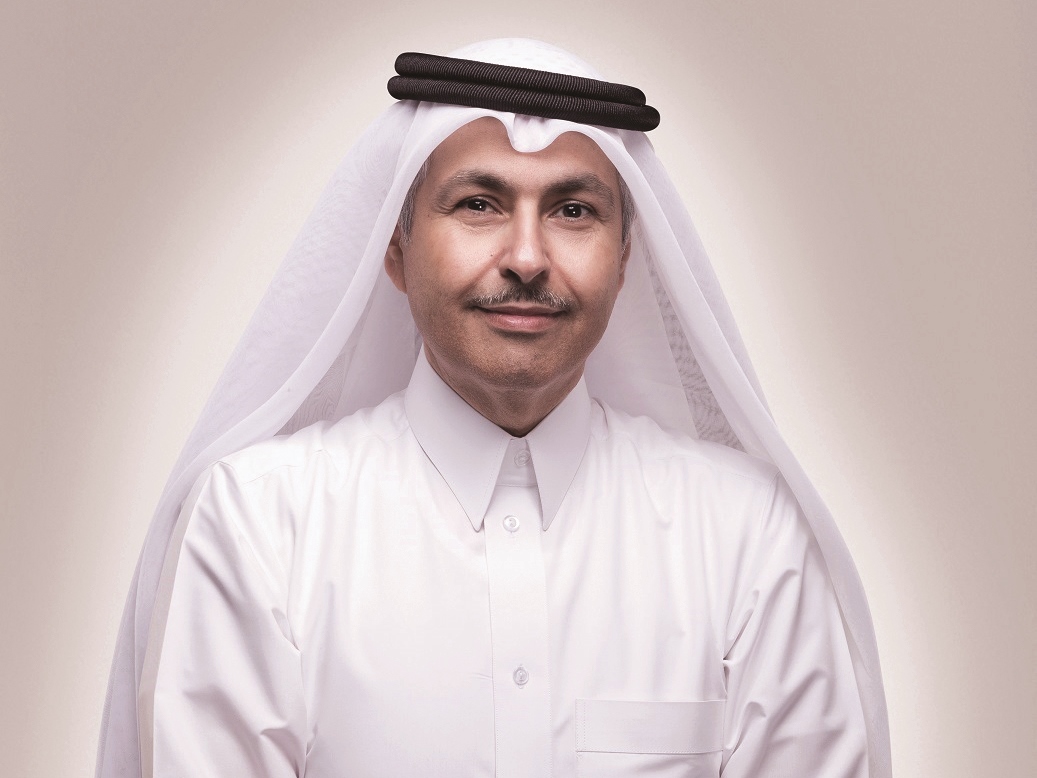
Sheikh Saud bin Nasser Al Thani, Group CEO, Ooredoo
DOHA: Broadband technologies are driving substantial transformation in several sectors, including health, education, financial inclusion and the environment, making them a key accelerator towards achievement of the United Nations’ Sustainable Development Goals (SDGs), says The State of Broadband 2018: Broadband Catalyzing Sustainable Development report released by the UN Broadband Commission for Sustainable Development.
The report was released ahead of the Commission’s fall meeting in New York City on September 23, during the UN General Assembly meeting on September 18 to 30, 2018.
According to State of Broadband 2018 report, although a majority of the world’s population (52 percent or 3.7 billion) currently remain unconnected, the number of total Internet users continues to grow strongly, with annual Internet growth rates above 5 percent. The report predicts that there will be nearly 4.4 billion active mobile broadband subscriptions globally by end 2018, showcasing the potential for expanding the reach of the mobile digital economy.
Working hand-in-hand with governments and other stakeholders, Ooredoo is committed to continue its delivery of universal and affordable broadband services to developing regions and nations. Ooredoo’s sustained investments in infrastructure and innovation aims to bridge the digital divide and change lives for the better around the world.
Sheikh Saud bin Nasser Al Thani, Group CEO, Ooredoo, commented that: “The report shines light on the crucial role of broadband connectivity in advancing sustainable development. At Ooredoo, we continue to invest in next-generation technologies, people and resources that enable our communities – in particular underserved women and youth – to improve their lives and achieve their full potential.”
“As we deploy the power of digital technology to give people access to the services and support they need, we urge governments, operators and regulators to continue working closely together to address the deepening digital inequality in global connectivity,” he added.
The report has found that 48 percent of the global population is now online but there are still some 3.7 billion people who do not have Internet access.