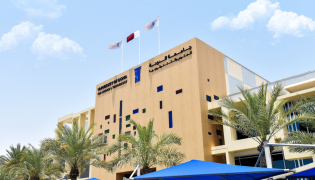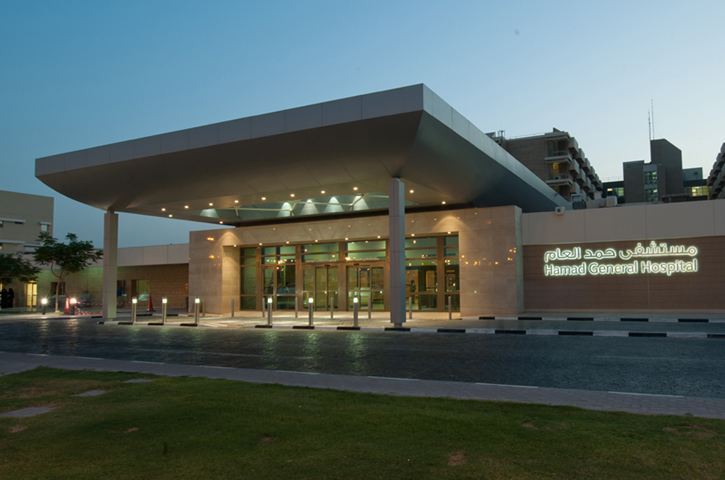
Doha: There has been no large rise in the number of patients requiring emergency care at Hamad General Hospital this Ramadan, a senior official has said. “Despite fasting in one of the hottest months, the number of people showing up is almost similar to other months”, said Dr Saad Al Nuaimi, Senior Consultant at the Emergency Department.
However, he added that there has been an uptick in patient flow to the Emergency Department as the number of consultations tends to peak around Iftar until Suhoor. The types of cases received, he said, have been similar to previous years.
“It is usual to see more patients with gastrointestinal complaints due to over-eating and consumption of fatty food and fizzy drinks after breaking the fast. Abdominal pain, bloating, vomiting, and constipation are the common complaints,” he said.
Injuries due to traffic accidents take place shortly before Iftar as people rush home before the Magrib Adhan, which signifies the end of the day’s fasting, Dr Al Nuaimi said. “Domestic accidents could include falls, burns (from hot oil, hot water or fire), and injuries from kitchen appliances. Children should be kept away from the kitchen during Iftar meal preparation for their safety. Every home should have a first-aid box,” he said.
Drink plenty of water
“A fasting person working outdoors or under direct sunlight may experience dehydration or other heat-related illnesses such as heat cramp, heat exhaustion, and in extreme cases, heat stroke,” he said. “One should drink plenty of water between Iftar and Suhoor. To further prevent dehydration, outdoor activities or direct sun exposure should be avoided during the fasting hours,” he added.
Al Nuaimi added that patients with chronic illnesses like diabetes, hypertension and heart diseases might frequently visit the Emergency Department due to a loss of control of blood sugar levels, blood pressure issues or acute exacerbation of cardiac problems due to fasting.
Meanwhile, people with anemia has been advised to control their diet appropriately if they decide to fast. “Anemia is a condition associated with low red blood cells, or hemoglobin, in the blood. Our body needs oxygen as a fuel, so if we are anemic, our blood has difficulty delivering oxygen to all the organs within the body. With low oxygen, we can feel weak and light-headed. Menstruating women are more at risk of having anemia, but other issues such as genetic predisposition, illness or low iron levels in the diet can also cause anemia,” said HMC Nutrition Specialist, Hanadi Falah Quffa, from the Department of Clinical Nutrition, Al Wakra Hospital.
The Peninsula