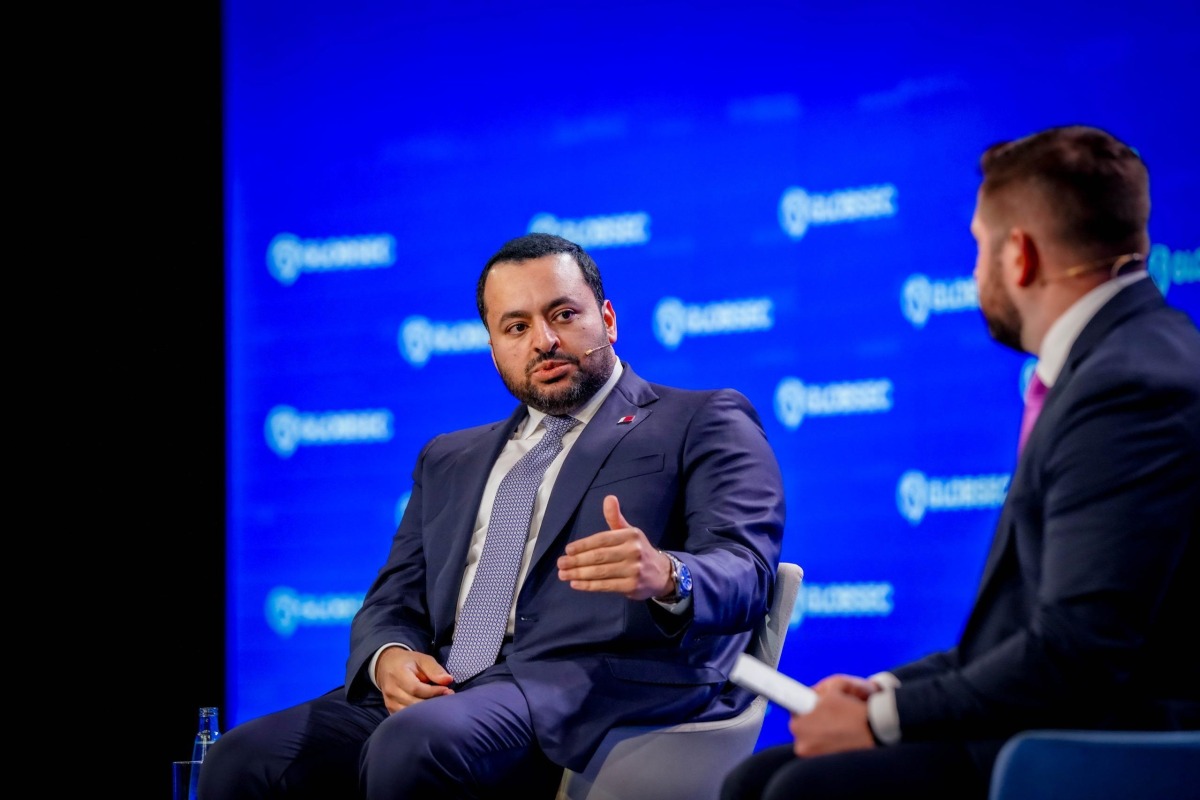
Prague: Minister of State at the Ministry of Foreign Affairs H E Dr. Mohammed bin Abdulaziz Al Khulaifi participated yesterday in the “GLOBSEC Forum 2026,” held in the Czech capital, Prague.
During his intervention in a main forum session titled “Pursuing Peace in the Middle East and Beyond,” he said: “We are living in a moment when conflicts are no longer confined to their geographic boundaries. War produces humanitarian, economic, political, security, and social consequences that extend far beyond the areas in which they occur.”
Al Khulaifi stressed that mediation, for Qatar, is not a temporary political choice but rather part of its national identity and foreign policy. He noted that Article 7 of the Constitution of Qatar commits the country to supporting peaceful settlement efforts for international disputes. He pointed out that Qatar has long been engaged in dialogue, facilitation, and mediation efforts in Gaza, Afghanistan, Iran, Lebanon, Sudan, Chad, Venezuela, Ukraine, and recently in several other regions. Al Khulaifi added: “Our approach is actually simple: we do not engage in mediation because it is easy, but because the alternative is often worse.” He continued: “The role of a mediator is never too small to make a difference when the process enjoys the trust of the parties.”
Addressing the cascading impacts of ongoing conflicts, he said that the first consequence is humanitarian collapse, noting that today’s conflicts produce displacement, hunger, trauma, hostage-taking, family separation, and the destruction of civilian infrastructure. Al Khulaifi pointed out that in Gaza, for example, the humanitarian dimension is not secondary to diplomacy but rather its core, emphasizing that international efforts must move simultaneously to ensure humanitarian access and protect civilians.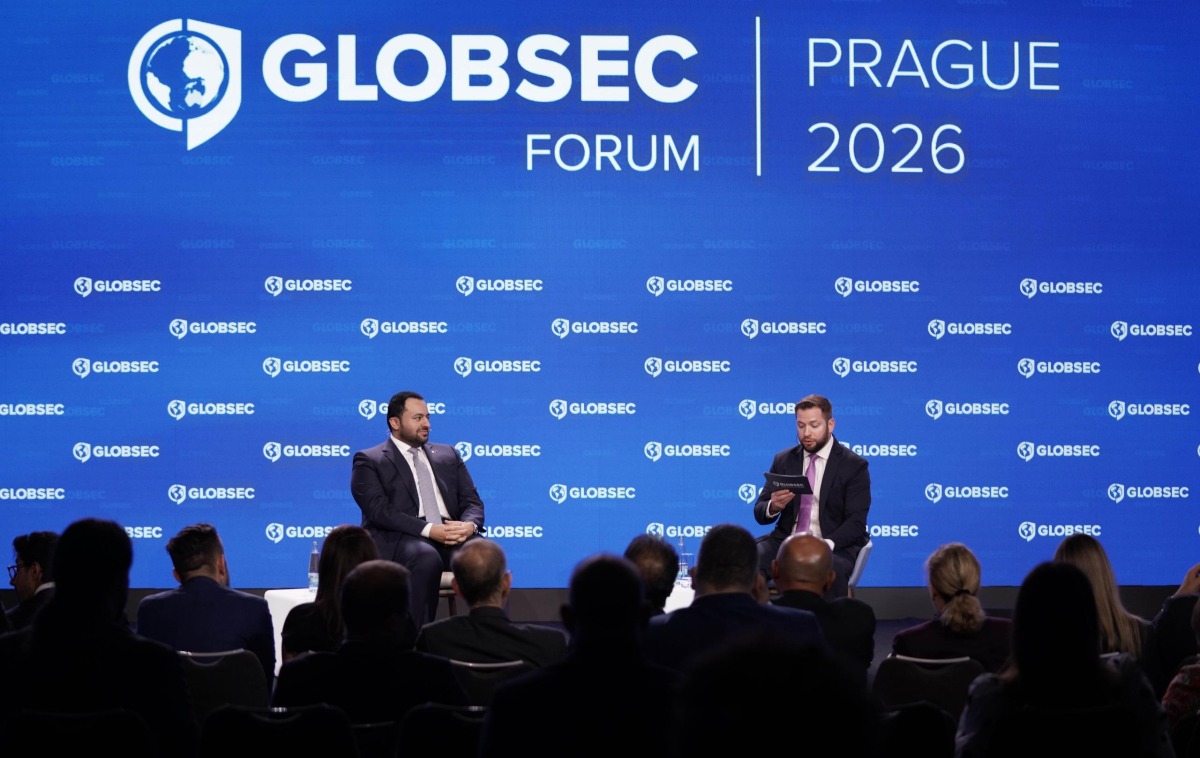
Al Khulaifi explained that the second consequence lies in regional escalation, as conflicts rarely remain local. “This is particularly true in the Middle East, where one crisis can quickly affect the Gulf, the Red Sea, the Levant, and beyond,” he said.
He identified the third consequence as the erosion of trust in diplomacy itself. When wars continue for long periods, people begin to believe that dialogue is weakness or that mediation is merely symbolic. “This is dangerous,” he stressed.
Al Khulaifi considered the fourth consequence to be global economic pressure, noting that conflicts affect energy and food supplies, investment, aviation, maritime security, and migration. He emphasized that peacemaking is not only a moral duty, but also a strategic necessity.
He said Qatar’s experience has shown that even limited agreements, such as ceasefires, humanitarian truces, prisoner releases, or opening channels of communication, can prevent the expansion of conflict.