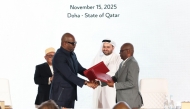
Doha, Qatar: Earthna Center for a Sustainable Future - a member of Qatar Foundation - and UN-Habitat Regional Office for Arab States have signed a Memorandum of Understanding (MoU) at the Arab Ministerial Forum on Housing and Urban Development, establishing a strategic partnership to address sustainability challenges facing hot and arid regions.
The agreement covers collaboration on environmental and socio-economic sustainability, food security, enhanced access to green spaces, and the integration of traditional knowledge into modern sustainability practices. It provides a framework for cooperation through shared knowledge, strategic events, and co-developed research projects.
As an initial step, the two organizations will work together to develop a mangrove restoration best-practice guide to support regional and international efforts to rehabilitate critical coastal ecosystems. Future collaboration will focus on creating thematic knowledge hubs and additional best-practice guides on topics such as regenerative urban green spaces, air-quality adaptation, traditional knowledge systems, and food security.
The agreement also includes provisions for UN-Habitat's participation in the Arid Cities Network (ACN), an emerging global platform dedicated to addressing the unique sustainability and resilience needs of cities in hot and dry environments.
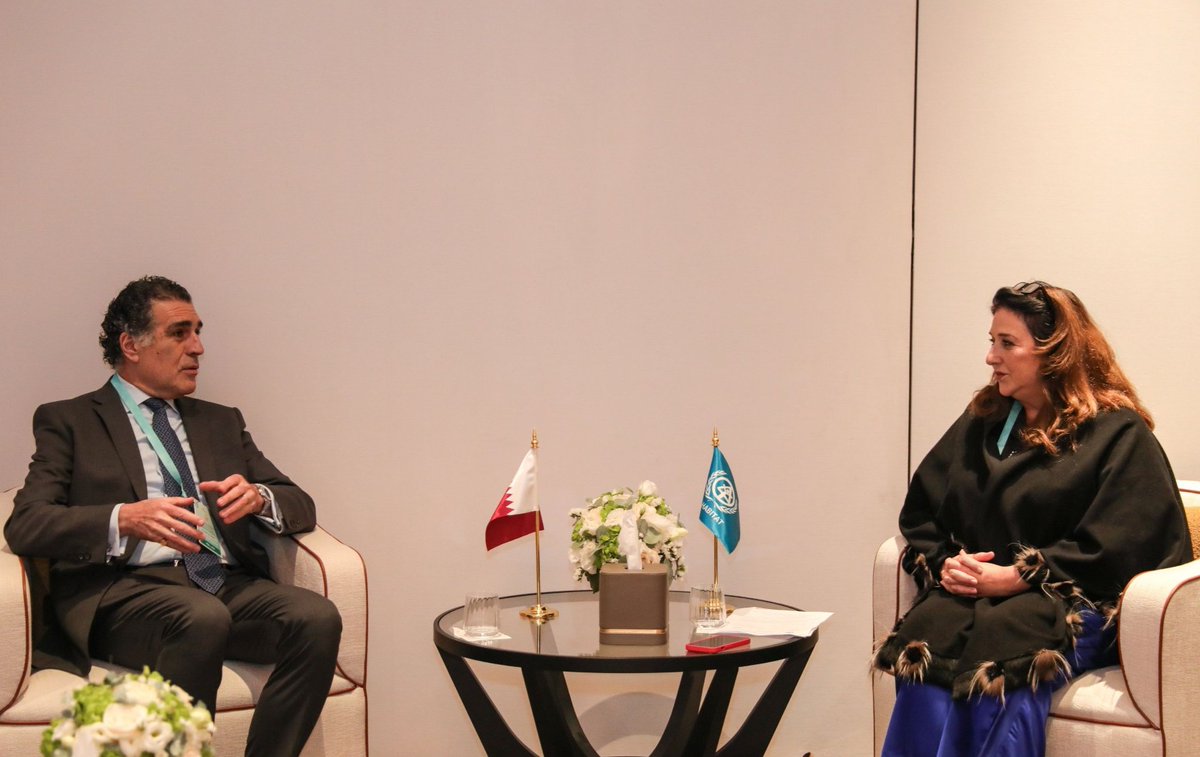
Executive Director of Earthna Dr. Gonzalo Castro de la Mata stated: "This agreement provides a broad scope joint work on the key environmental challenges affecting our region, particularly in urban environments. I believe this partnership will make a real impact in advancing climate resilience in hot and arid cities by facilitating knowledge exchange and through the development of best practice guidelines and knowledge hubs on a wide host of sustainability topics."
Regional Director for Arab States at UN Habitat Rania Hedeya commented: "This agreement marks the start of a strong partnership between UN Habitat and Earthna on key sustainability priorities. With our combined reach and expertise, we can accelerate the adoption of best practice approaches across the region, advancing environmental protection, knowledge sharing, and sustainable urban development."