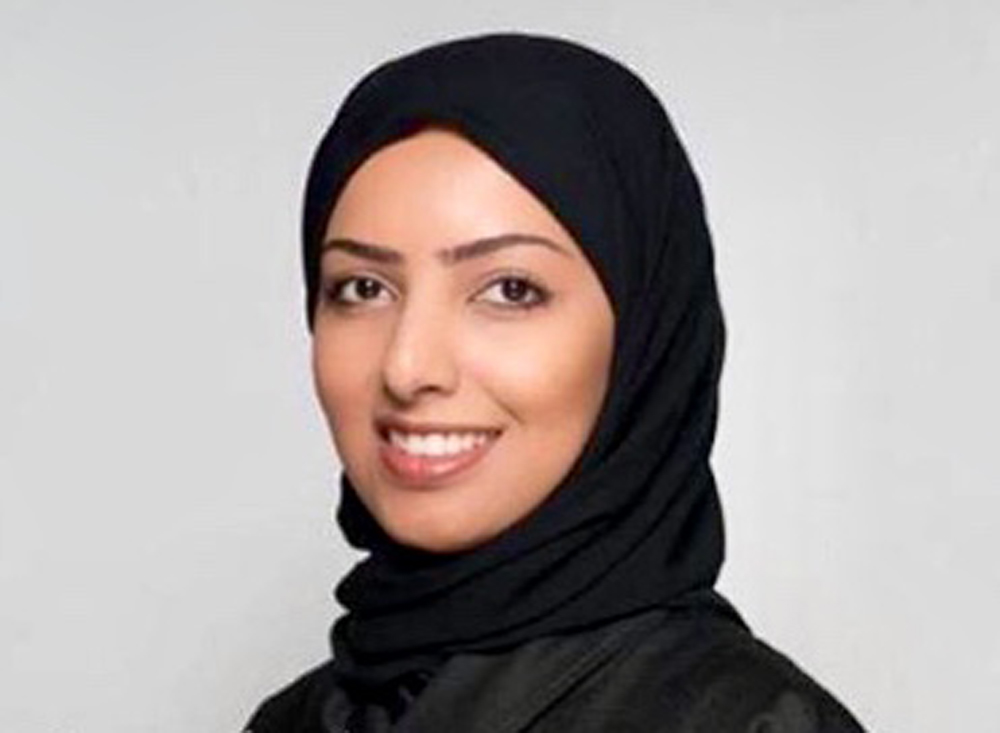
Maryam Al Sumait, co-founder of design service agency Makery.
As companies in both private and public sectors in Qatar have turned to remote working as a means of social distancing to prevent the spread of COVID-19 pandemic, there is a need to design a sustainable system for remote working.
As experts foresee the pandemic won’t end anytime soon, working remotely has become the new norm around the world including Qatar and thus a long-term, efficient system is needed.
“Many organisations in Doha are currently working remotely. Some of them are adapting better than others based on their previous experience. Working remotely has a lot of components and it needs to be studied and properly translated into a sustainable system that can go into the long term,” Maryam Al Sumait, co-founder of design service agency Makery, has said.
Al Sumait was speaking at an online coaching session on Saturday evening which was hosted by Qatari fashion designer Fahad Al Obaidly and was part of a series organised by M7, a creative startups hub dedicated to innovation and entrepreneurship established by Qatar Museums for the nation’s growing fashion and design industry.
The pandemic has compelled organisations to shift to the digital platform as means of conducting business and reaching out to consumers.
“I think it’s teaching us a lot on how to work with different circumstances because sometimes you’re limited with a certain time or to a certain location that it’s more convenient to do it remotely, but I think human interaction is vital, however that doesn’t mean that we cannot completely operate remotely. The crisis has forced us to work in this type of style but this has to be more sustainable on the long term,” she said.
Combining business and design, Makery, a service design agency which Al Sumait had co-founded, provides design thinking and service design workshops, branding service, and service design consultancy which are human-centric.
“One of our core values is to emphasize on the human element and human interaction but that’s physically impossible right now so we try our best to do this through meetings with our clients on different platforms and trying different things. The attitude of being flexible really helps us during this crisis,” she said.
Asked on how to emotionally engage with the viewer in a digital platform that might need a physical experience as in live versus digital fashion shows, she said: “Some people say that we are living in a digital world, and we need to understand how we work digitally. The digital tools that we have increase efficiency but do not replace human interaction. There are many things that can be done to help engage people emotionally like virtual reality and many other different tools. Experience can be digital but being in a place and experiencing something cannot be replaced, though it can be complemented.”
“Digital experience does have an emotional impact but the experience of going to the movies or watching a live musical is something that cannot be replaced by technology,” she added.
“I think we are in an era where we are trying to strike the right balance between human and digital interaction,” she said.
The biweekly online coaching sessions which M7 started last week are aimed to guide and encourage aspiring designers. They are held every Thursday and Saturday at 6pm on the M7 Instagram account, @M7.qatar.
This coming Thursday, Oleg Fazulyanow, CEO of Fashion Consulting Group Milan, will talk about the business of fashion and how designers can test if their products will work in a target market.