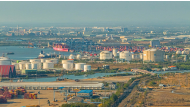
ZAWIYA: Libya is stepping up fuel imports, with four tankers queuing at one port as the Opec producer’s second-largest refinery is running at only half its capacity due to oilfield strikes, a senior official said.
A mix of militias, tribesmen and civil servants demanding political rights or a greater share of Libya’s oil wealth have occupied several oilfields and ports, cutting exports to 110,000 barrels per day (b/d) from over 1m b/d in July.
The government has struggled to keep the 120,000 b/d refinery in Zawiya operating since protesters in October closed the El Sharara oilfield that feeds it. Since then, Zawiya has runs off existing stocks and supplies from the eastern Brega port, which officials have closed for exports for that reason.
Zawiya is key to supply the capital Tripoli, some 40km to the east, and western Libya with petroleum products. The country’s biggest refinery in Ras Lanuf has been shut along with its adjacent export port by strikers since summer.
The government is trying to maintain supplies of motor fuel to ease social tensions as it struggles to assert control of the North African country, still at risk from militias who kept their weapons after helping to topple Muammar Gaddafi in 2011.
The Zawiya refinery is running at about half of its capacity due to crude shortages, operations manager Mohammed Hassan Al Haj said. “We have two units with a capacity of 60,000 b/d each. The second is currently shut due to a lack of supplies,” he said during a visit to the refinery and its port on Wednesday. “The other train (unit) is at full refining capacity of 60,000 b/d.”
Engineers in the refinery’s control room put production slightly lower, at around 50,000 b/d, as the unit still in operation was running at 80 percent of capacity.
Still, Haj said the refinery’s daily production of 1.26m litres of petrol — half of its usual output — was enough to meet domestic demand thanks to rising imports. Analysts say the government has no choice but to increase fuel imports, though this is exacerbating budget problems as a result of the loss of vital oil revenues - Libya’s lifeline.
“There is no lack of supplies due to imports,” Haj said, blaming recent long queues at petrol stations in Tripoli on logistical problems and chaos as angry motorists tried to refill. The fuel situation in the capital has improved in the past few days since soldiers were deployed to protect petrol stations and organise queues.
Reuters