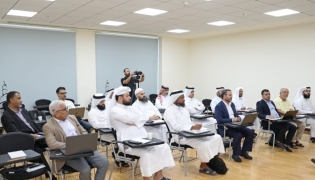
DOHA: The Advisory Council, in its weekly meeting yesterday, approved a draft law to enhance monitoring and auditing of State Audit Bureau. The meeting was held under the Chairmanship of Council Speaker H E Mohammed bin Mubarak Al Khulaifi.
The draft law enhances financial, administrative and functional independence of the bureau and stipulates that it will directly report to Emir H H Sheikh Tamim bin Hamad Al Thani. It aims to ensure accountability in line with Qatar’s current comprehensive development.
The Cabinet had approved the draft law at its 25th meeting earlier this year and sent it to the Council. The draft law has 69 articles in seven chapters.
The current development in audit system worldwide and Qatar’s development require a new draft law. The existing State Audit Bureau Law took effect in 1995. Qatar requires a new law in view of its economic boom and in line with Qatar National Vision 2030.
The law will be applicable to all entities coming under the bureau’s jurisdiction and aims to enhance monitoring and supervision of public money. It authorises the bureau to publish its report after removing confidential parts, in accordance with Lima Declarations and aims to increase transparency.
The bureau will have the right to use appropriate mechanism for auditing. The concerned committee of the Council suggested amendments to articles 14, 27, 35, 51, among others.
The Cabinet approved the Council’s recommendation regarding trading and selling of products and services online in the country and sent recommendations to the Ministry of Economy and Commerce to coordinate with concerned entities to study them and submit a report in three months.
The recommendations included entities to create commercial record without any fees for Qatari families and individuals running the business of trading and selling products and services online.
Recommendations say authorities must help them design websites for free to encourage online business. Most such businesses are in selling traditional foods and sweets.
Council discusses several draft laws
This will require monitoring of these products for consumers’ safety. The food must meet all health safety requirements. The Council also discussed draft laws, including one to ban the smuggling of petroleum products and another to regulate tobacco. Other draft laws included the recent amendment of Law No. 8 of 2002 regulating the work of commercial agents, and regarding the human resources law. The Council also deliberated the significant rise in rentals.
Other draft laws discussed included one on biological weapons, the official gazette. In addition to the amendment of law no. 15 for 2007 regulating the marketing and sales of products under the regulation of the government. The council also examined plans that aim to improve services in Qatar’s different villages. At the beginning of the meeting, the Secretary-General of the Advisory Council Fahad bin Mubarak Al Khayareen read out the agenda which was agreed upon and then, the Council endorsed the minutes of its previous session.
The Peninsula
DOHA: The Advisory Council, in its weekly meeting yesterday, approved a draft law to enhance monitoring and auditing of State Audit Bureau. The meeting was held under the Chairmanship of Council Speaker H E Mohammed bin Mubarak Al Khulaifi.
The draft law enhances financial, administrative and functional independence of the bureau and stipulates that it will directly report to Emir H H Sheikh Tamim bin Hamad Al Thani. It aims to ensure accountability in line with Qatar’s current comprehensive development.
The Cabinet had approved the draft law at its 25th meeting earlier this year and sent it to the Council. The draft law has 69 articles in seven chapters.
The current development in audit system worldwide and Qatar’s development require a new draft law. The existing State Audit Bureau Law took effect in 1995. Qatar requires a new law in view of its economic boom and in line with Qatar National Vision 2030.
The law will be applicable to all entities coming under the bureau’s jurisdiction and aims to enhance monitoring and supervision of public money. It authorises the bureau to publish its report after removing confidential parts, in accordance with Lima Declarations and aims to increase transparency.
The bureau will have the right to use appropriate mechanism for auditing. The concerned committee of the Council suggested amendments to articles 14, 27, 35, 51, among others.
The Cabinet approved the Council’s recommendation regarding trading and selling of products and services online in the country and sent recommendations to the Ministry of Economy and Commerce to coordinate with concerned entities to study them and submit a report in three months.
The recommendations included entities to create commercial record without any fees for Qatari families and individuals running the business of trading and selling products and services online.
Recommendations say authorities must help them design websites for free to encourage online business. Most such businesses are in selling traditional foods and sweets.
Council discusses several draft laws
This will require monitoring of these products for consumers’ safety. The food must meet all health safety requirements. The Council also discussed draft laws, including one to ban the smuggling of petroleum products and another to regulate tobacco. Other draft laws included the recent amendment of Law No. 8 of 2002 regulating the work of commercial agents, and regarding the human resources law. The Council also deliberated the significant rise in rentals.
Other draft laws discussed included one on biological weapons, the official gazette. In addition to the amendment of law no. 15 for 2007 regulating the marketing and sales of products under the regulation of the government. The council also examined plans that aim to improve services in Qatar’s different villages. At the beginning of the meeting, the Secretary-General of the Advisory Council Fahad bin Mubarak Al Khayareen read out the agenda which was agreed upon and then, the Council endorsed the minutes of its previous session.
The Peninsula