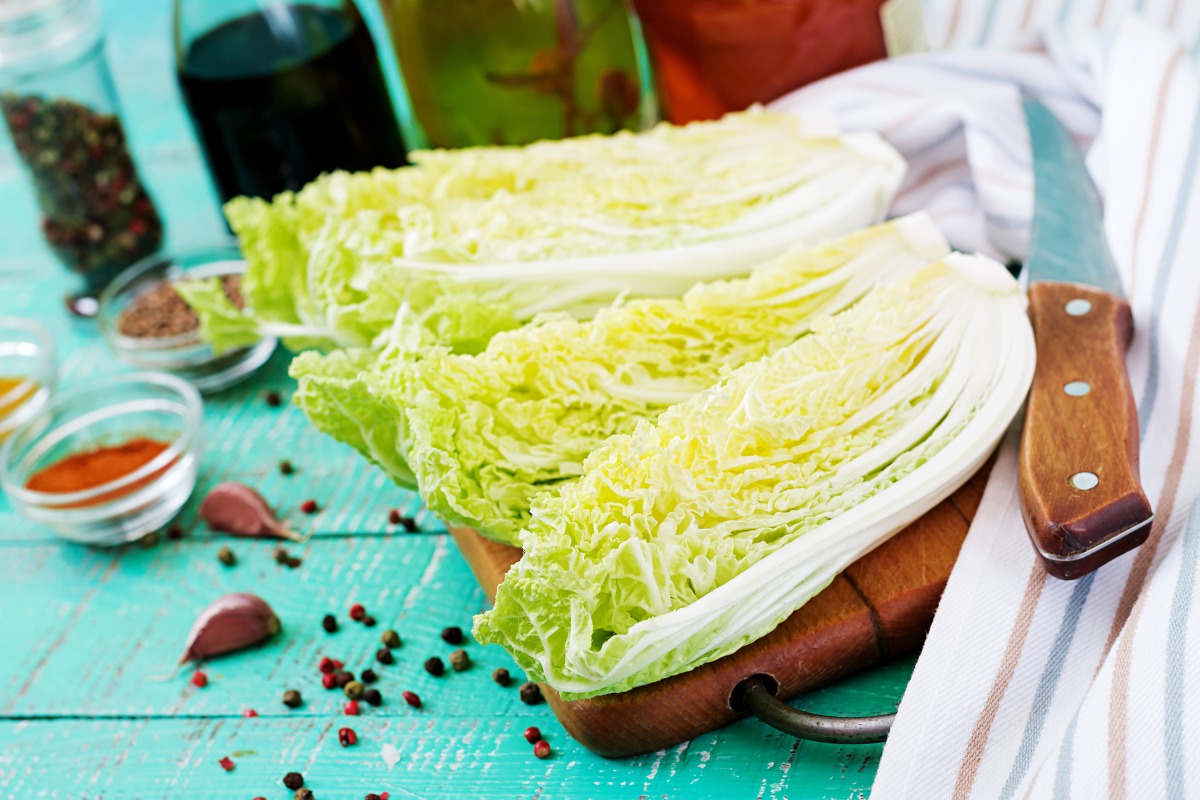
In a major plot twist most people probably did not see coming for 2026, cabbage is trending, taking the spotlight on social media platforms such as Instagram and TikTok. Pinterest even named it this year’s "it” vegetable, predicting cabbage steaks, kimchi cocktails and other cabbage-forward recipes will be everywhere.
Despite cabbage’s reputation as one of the more humble vegetables around, the hype makes sense when you think about it.
"Cabbage is an affordable, versatile, delicious and hearty vegetable that really has not gotten a lot of attention for a long time,” said Nate Wood, founding director of culinary medicine at the Yale School of Medicine and Irving and Alice Brown Teaching Kitchen at Yale New Haven Health.
Most importantly, it can have some impressive benefits for your gut microbiome, the community of trillions of bacteria and other microbes that populate your digestive tract.
Whether green, red or purple, Napa, Savoy or bok choy, nutrition experts say you can’t really go wrong with any type of cabbage. Curious what makes the vegetable such a win, nutritionally? Here’s what to know.
A cup of raw cabbage contains about 2 grams of fiber. This may not sound like a lot, but most people fall short of their daily fiber needs - a suggested 28 grams of fiber per day on a 2,000-calorie diet - so every little bit makes a difference.
"You don’t want to get all of your fiber from a single meal, but instead should space your intake out during the day through various ingredients in each meal,” said registered dietitian Maddie Pasquariello.
Most of the fiber in cabbage is insoluble fiber, Wood explained, which adds bulk to your stool and helps stimulate bowel movements to keep you regular. It also takes up room in your stomach, keeping you fuller for longer.
Cabbage also contains some soluble fiber, which combines with liquid to form a gel-like substance within the intestines. This can help lower cholesterol, improve blood sugar control and help you feel satiated.
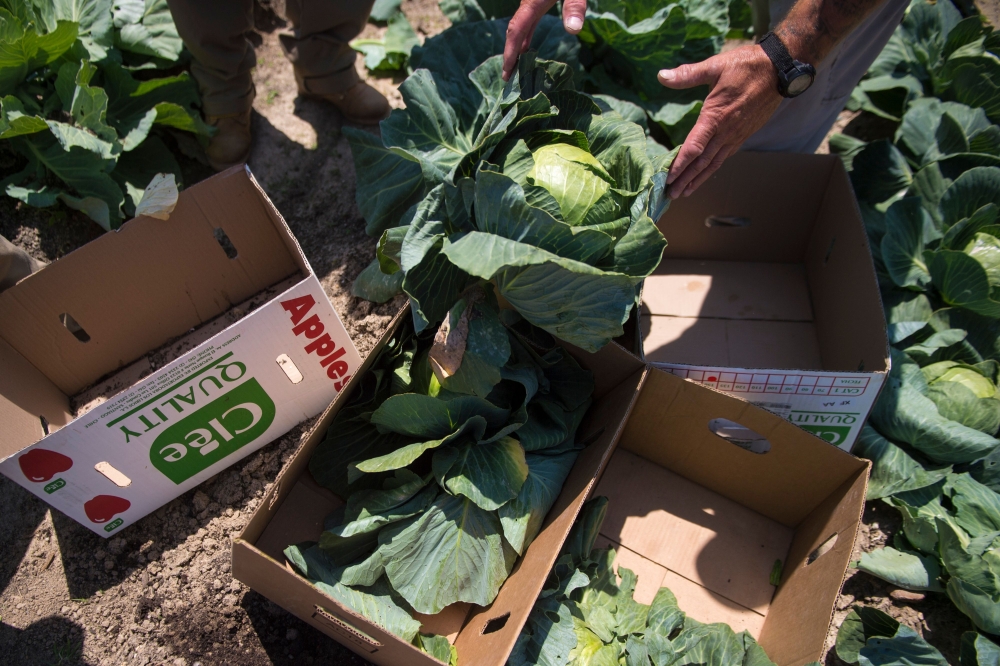 Photo by Jabin Botsford/The Washington Post
Additionally, some of the fiber in cabbage is considered prebiotic, meaning that it feeds beneficial gut bacteria so that they can thrive and multiply, Wood said. This ultimately helps to maintain a healthy gut lining that supports good digestion, promotes immune health and improves mineral absorption.
Cabbage in its fermented forms - sauerkraut and kimchi - is a great source of probiotic bacteria, said Amanda Sauceda, a registered dietitian focused on gut health.
As you might already know, probiotic foods increase the diversity of your microbiome, which has been linked to a stronger immune system, better digestion and numerous other health benefits.
"By eating that fermented cabbage, you’re eating the good bacteria and the prebiotics - the food for the good bacteria” that exist in raw cabbage, Wood said. "So it’s a really synergistic positive effect.”
As with any fiber-rich food, you’ll want to be careful about consuming too much fermented cabbage too quickly, especially if fiber isn’t a regular part of your diet or if you usually experience uncomfortable gut symptoms after eating it.
"If you’re not used to it, it can still lead to digestive issues like bloating, so you should increase your intake gradually,” Pasquariello said. If you feel gassy when eating cabbage, consider eating smaller portions and seeing how you feel before increasing the amount.
Cabbage is full of important micronutrients such as vitamin C, vitamin K, vitamin B6 and folate, all of which are important for aiding various body systems and functions. A cup of raw cabbage has about 36 milligrams of vitamin C, which is nearly half the recommended daily intake for women (75 milligrams) and about 40 percent of the recommended daily intake for men (90 milligrams).
Like other plant-based foods, cabbage also contains antioxidants, which help protect cells against damage and have been linked to lower inflammation and a reduced risk of multiple health issues including certain cancers, stroke, macular degeneration, heart disease and cognitive decline, though research in these areas is still inconclusive.
It’s even hydrating. "Cabbage is naturally high in water content and low in sodium, fat and calories, making it a great food to incorporate into salads, soups, stews and grain bowls to add bulk,” Pasquariello said.
Cabbage works well in many different meals and recipes.
Even if you think you don’t like cabbage, the experts we spoke with recommended giving it another try. Choosing a different type or preparing it in a new way might be just what you need to get on board and embrace the veggie while it enjoys its time in the spotlight (and beyond).