By Satish Kanady
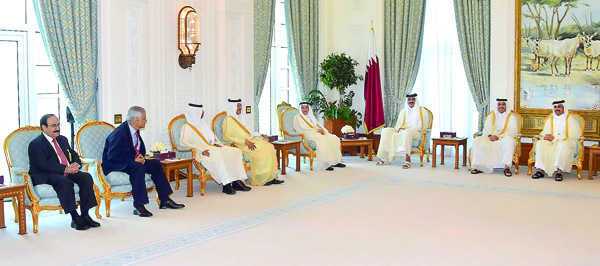
DOHA: High-stake talks in Doha between Opec and non-Opec oil producers on an agreement to freeze output yesterday ran into last-minute confusion and concluded without an output cap deal. The parties would meet again in June for further talks.
Minister of Energy and Industry H E Dr Mohammed bin Saleh Al Sada, also current president of Opec, said “Opec needed more time for consultations to reach an output freeze deal.
“Oil producers concluded after six hours of negotiations that they needed more time. The general conclusion was that we need more time to consult among Opec and non-Opec producers,” he said following the meeting.
Nigerian Oil Minister Emmanuel Ibe Kachikwu said at the end of the meeting that the parties would meet again in June for further talks. Some 18 Opec and non-Opec countries, including Russia, were expected to meet and strike a possible deal to freeze oil output at January levels until October 2016.
The run-up to the meeting saw months of disagreements about the impact any freeze would have on individual Opec members.
The position of Iran — now ramping up production after Western sanctions were lifted as part of the nuclear deal it signed with world powers — had proven a sticking point, with diplomats and officials at the talks telling Al Jazeera that Saudi Arabia was insisting Tehran should sign up any agreement. Tehran has repeatedly said it will not agree to restrict output because sanctions against its oil industry were only lifted in January, as part of the deal curbing its nuclear programme. Iran’s oil minister did not attend the talks. According international news agencies, Tehran sent only a representative to Doha.
Failure to reach a global deal — the first in 15 years between Opec and non-Opec nations — would signal the resumption of a battle for market share between key producers and likely halt a recent recovery in prices.
Brent oil has risen to nearly $45 a barrel, up 60 percent from January lows, on optimism that a deal would help ease the supply glut that has seen prices sink from levels as high as $115 in mid-2014. “If there is no freeze, that would directly affect North American production going forward, perhaps something Saudis might like to see,” Natixis oil analyst Abhishek Deshpande told Reuters.
The development will revive oil industry fears that major producers are embarking again on a battle for market share, especially after Riyadh threatened to raise output steeply if no freeze deal was reached.
Ahead of the meeting, delegates had circulated a draft accord that called for freezing output at January levels until October 1 to gauge its effect on prices. The freeze, first suggested in February by big producers like Saudi Arabia and Russia, is intended to limit global supply and bolster prices.
Russia’s Oil Minister Alexander Novak told Reuters that his country was not closing the door on a global deal to freeze output levels although he was disappointed that no decision had been taken. Novak said he had travelled to Doha, expecting all sides to sign the deal instead of debating it. Asked whether Russia would freeze output levels, he said the government was not meant to regulate the output of private producers.The Peninsula