MOSCOW: Energy chiefs and political titans gather in Moscow this week for a major conference that will highlight the West’s desire to pursue oil investments in Russia despite the Ukraine crisis.
With oil prices hitting nine-month peaks on Friday owing to violence in Iraq, the 21st World Petroleum Congress, which occurs every three years, takes on even greater prominence.
Moscow, which is locked in its worst standoff with the West since the Cold War, is expected to use the week-long event to emphasise its leading presence on the world energy scene.
In Moscow, Opec Secretary General Abdullah El-Badri will be joined by about 5,000 delegates, including the chief executive of British energy giant BP Bob Dudley and bosses at Russia’s Gazprom and Rosneft.
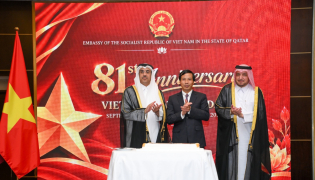
The Kremlin held a reception yesterday at the congress organised by the World Petroleum Council. Russian President Vladimir Putin will make a speech today at the event that will bring public and private companies together with government agencies from 65 nations representing more than 95 percent of the world’s crude oil production and consumption.
While the various scheduled conferences and round tables present classic sector issues such as obstacles to financing and competition from renewable energy sources, developments linked to current geopolitical strains look set to grab the attention of markets.
The Iraqi government is battling to regain control of the cities taken by militants from the Islamic State of Iraq and the Levant (ISIL) earlier in the week.
Iraq is the second biggest oil exporter in the 12-nation Organisation of Petroleum Exporting Countries after kingpin Saudi Arabia, and Opec pumps about one-third of the world’s oil.
In Kiev, meanwhile, an urgent round of EU-brokered gas talks between Russia and Ukraine ended Saturday night without an agreement.
Despite rising tension, Western energy companies are expected to use this week’s event in Moscow to reiterate their desire to invest in exploration projects across Russia.
BP, which today will release its annual energy market study, has insisted that it remains committed to Rosneft, despite the latter’s chief executive Igor Sechin being named among officials facing punitive measures over Putin’s stance on Ukraine.
BP retains a near-20 percent stake in Rosneft after the British firm sold its 50 percent holding in joint venture TNK-BP to the Russian company.
French energy giant Total meanwhile announced in May that it had signed a deal with Russia’s second biggest oil firm Lukoil to explore and develop shale oil deposits in western Siberia.
While Western energy companies are looking to Russia to help them secure new sources of oil and gas to meet rising global demand, Russian firms are benefiting from their partners’ technological expertise, especially in the field of uncovering energy from shale rock.
Saudi Arabia last week said the oil market was experiencing a good supply-demand balance as it joined fellow OPEC members in maintaining the cartel’s crude output ceiling.
AFP