Doha, Qatar: The Ministry of Awqaf and Islamic Affairs has continued to strengthen the role of mosques as centres of religious, educational, and social influence in 2025, combining urban expansion with enhanced services, sustainability initiatives, and human capital development.
The ministry’s latest report highlights a balanced approach that integrates mosque construction, operational efficiency, and community engagement, in line with Qatar’s rapid urban growth and evolving societal needs.
During the year, the ministry achieved notable milestones in mosque development. A total of 34 new mosques were opened across various regions of the country last year, while 21 mosques were equipped to serve people with disabilities under inclusive design standards. In addition, 150 mosques were landscaped and planted with greenery as part of the “Green Mosques” initiative to promote environmental sustainability.
These efforts reflect a broader vision that goes beyond numerical expansion to improving the quality of worship environments, enhancing accessibility, and embedding sustainability into mosque infrastructure.
The expansion strategy was guided by field studies and planning criteria that take into account population density, urban development, and the needs of emerging residential areas. This ensures equitable geographic distribution of mosques and reduces congestion, particularly during Friday prayers and peak religious seasons.
The ministry also continued replacing temporary prayer spaces with permanent mosques featuring modern designs inspired by Qatari architectural identity, while increasing capacity and upgrading facilities.
Localising religious roles emerged as a key strategic priority in 2025. The ministry localised 21 religious positions, including imams, preachers, and muezzins, and conducted 78 training courses that benefited 182 imams and preachers.
These programmes focused on enhancing scholarly knowledge, communication skills, and awareness of contemporary societal issues, reinforcing the role of mosque leaders as educators and community influencers.
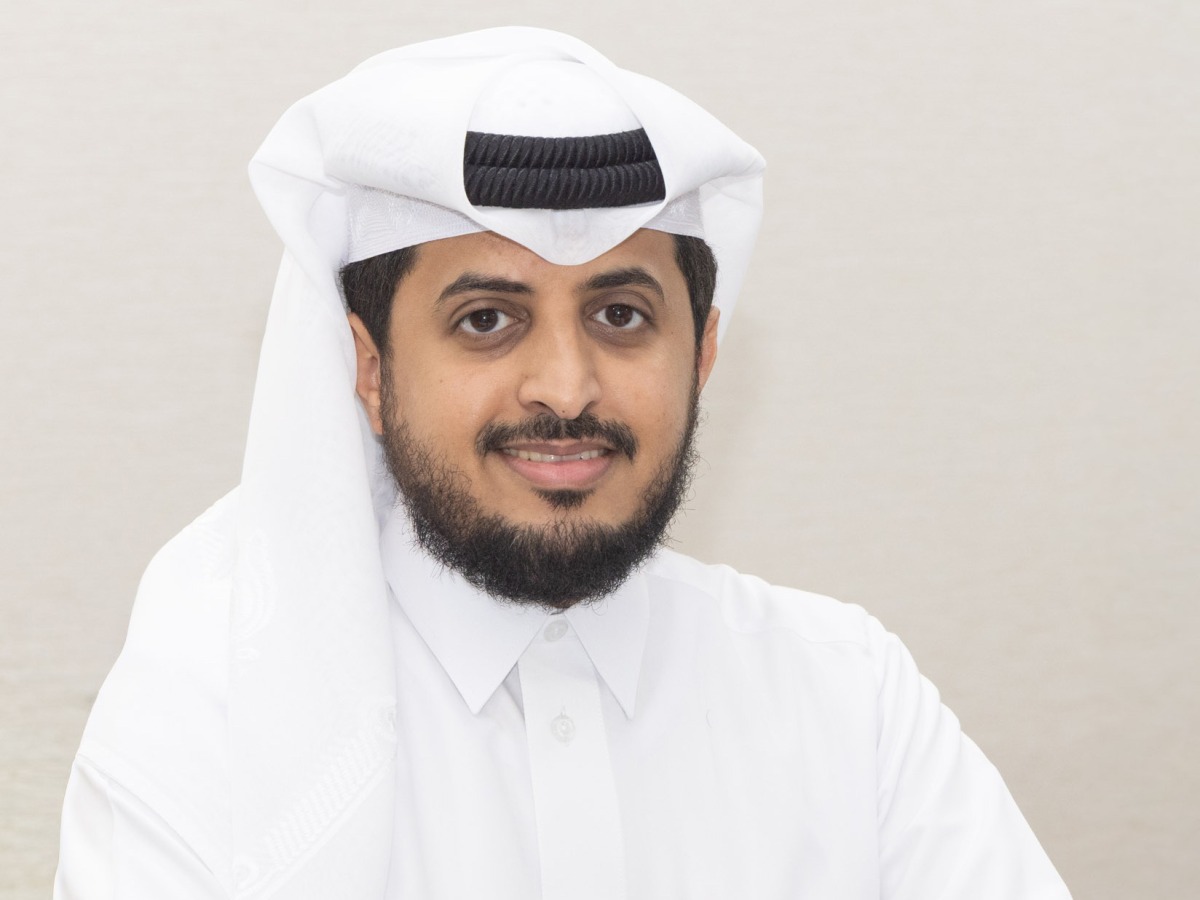
Director of the Mosques Department Dr. Sulaiman bin Jamaan Al Qahtani stated that the achievements reflect the ministry’s commitment to strengthening the mosque’s mission and improving both infrastructure and services.
He noted that 69,272 Friday sermons were delivered during the year, including 7,726 sermons addressing national priorities and societal issues in coordination with various institutions. The ministry also introduced modern technologies and artificial intelligence tools to improve sermon quality and consistency, including the rollout of the “Preacher Assistant” initiative aimed at refining content and enhancing outreach impact.
Special emphasis was placed on connecting younger generations with mosques. Initiatives included the “Bilal Al Asr” competition for Qatari school students, designed to encourage engagement with the call to prayer and mosque activities.
Additionally, students from Quran learning centres were given opportunities to lead prayers during Ramadan, supporting the development of future national religious leaders.