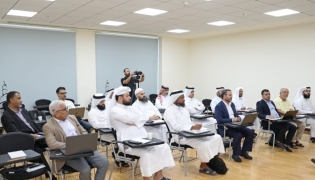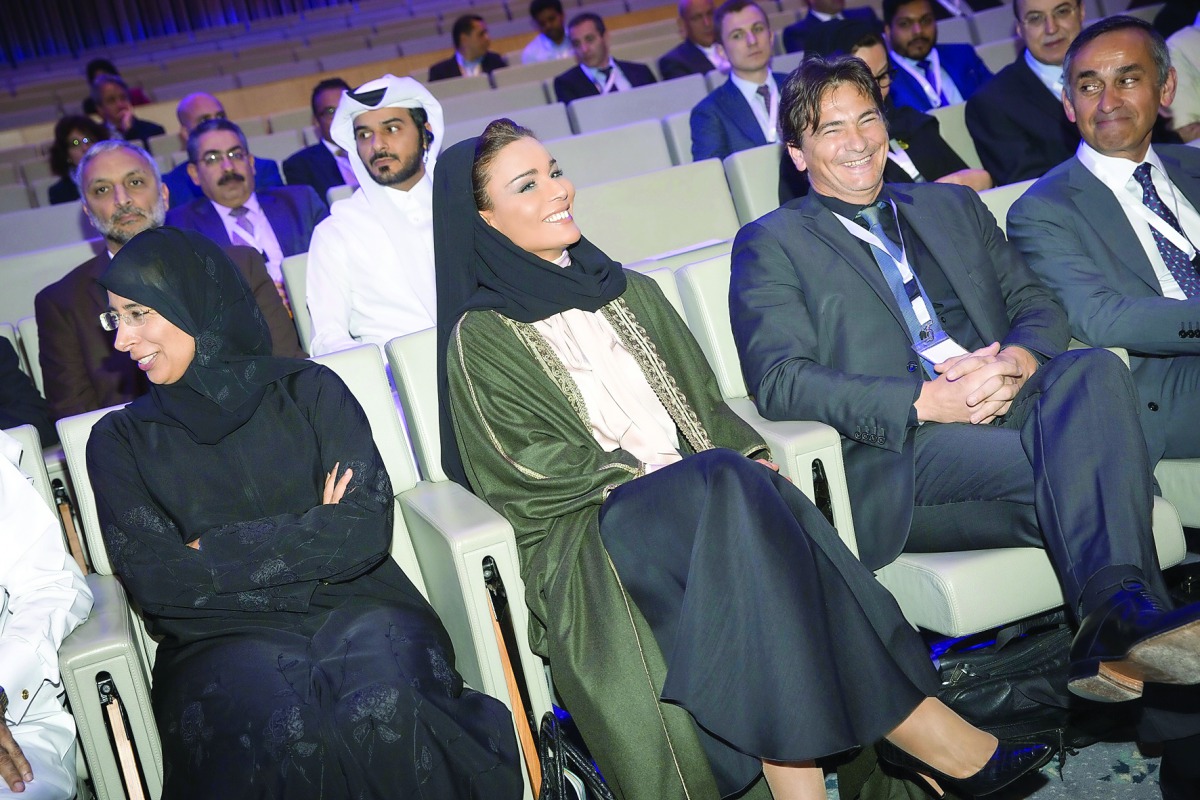
H H Sheikha Moza bint Nasser attending a symposium hosted by Hamad Medical Corporation on Islet Cell Transplantation (ICT) — a ground-breaking and life saving procedure used to treat patients with severe type 1 diabetes. Pic: AR Al-Baker
HH Sheikha Moza bint Nasser, Chairperson of Qatar Foundation (QF), yesterday attended a symposium on Islet Cell Transplantation (ICT) – a ground-breaking and life saving procedure used to treat severe Type 1 diabetes.
H E Dr Hanan Mohamed Al Kuwari, Minister of Public Health, was also present at the symposium hosted under the sponsorship of Qatar Metabolic Institute, and organised by Hamad Medical Corporation (HMC), at Qatar National Convention Centre (QNCC).
A distinguished group of ICT experts from across the globe at the Islet Cell Transplantation symposium shared their knowledge and experiences in establishing and using the pioneering technique.
ICT is a cell replacement therapy that involves isolating islet cells (tiny clusters of different types of cells) from a donor pancreas and transferring them into the liver of an insulin-dependent recipient.
Professor Abdul-Badi Abou-Samra, HMC’s Chair of Internal Medicine and Director of the Qatar Metabolic Institute, highlighted the potential benefits of Islet Cell Transplantation to Type 1 diabetes sufferers.
"For a Type 1 diabetic who may not know when their blood sugar reaches dangerously low levels, ICT treatment could make a significant difference to the quality of life,” he said.
"The pancreas contains islets that produce hormones. Alpha cells raise the glucose level in the blood while beta cells make the hormone insulin which lowers the glucose level. With Type 1 diabetes, the body's immune system mistakenly destroys the beta cells which cause the pancreas to lose the ability to make insulin,” he added.
Professor Abou-Samra added: "During Islet Cell Transplantation, the job of the donor islet cells is to produce insulin to help the transplant recipient regain control of their blood sugar levels, enabling them to monitor them more effectively. This can eliminate or greatly reduce the need for insulin injections and in some cases can prevent brain damage or premature death.
"Today, we are fortunate to have the opportunity to welcome some of the world’s leading experts in the field of Islet Cell Transplantation."