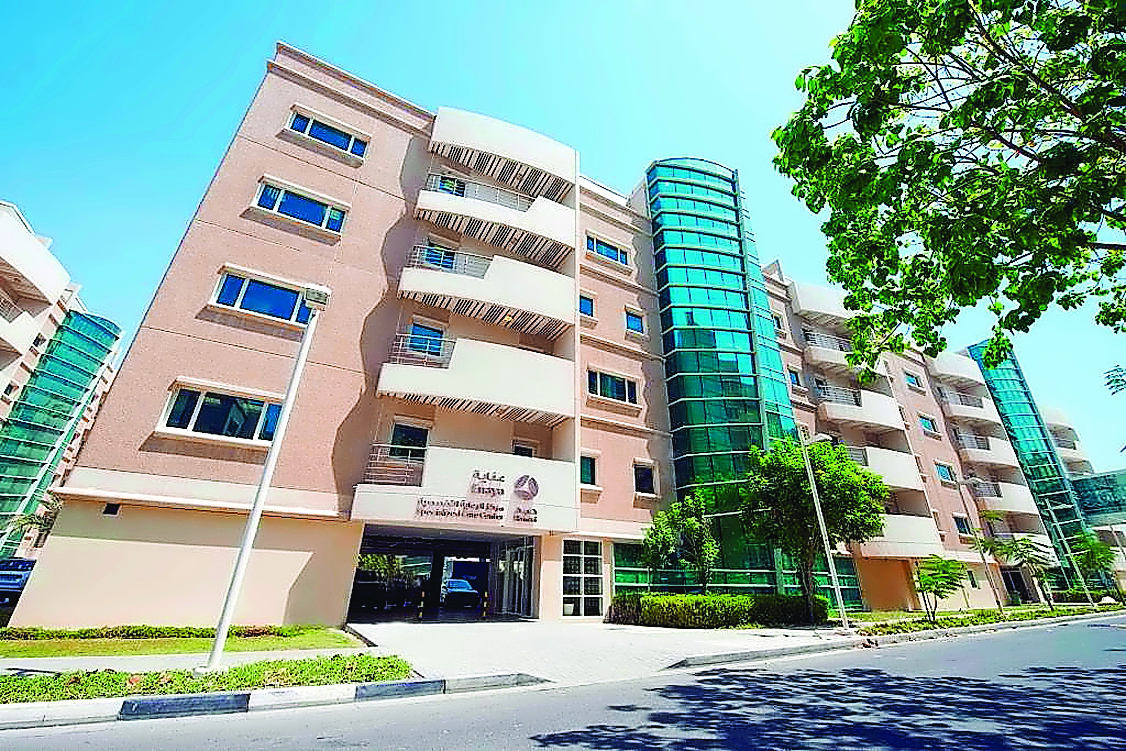
Doha: Enaya Specialised Care Centre, part of Hamad Medical Corporation (HMC), has successfully implemented a programme to increase the mobility of its bed-bound residents.
Eighty to 90 percent of the patients admitted to the centre are bed-bound and unable to move or change position. The mobility programme aims at reducing the problems associated with this immobility.
Lack of mobility can lead to problems ranging from musculoskeletal issues which occur when muscles are not being used to pulmonary problems caused by lying flat.
This can lead to fluid building in the lungs and blood pooling in the chest area. Skin damage can also sometimes occur, resulting in pressure sores and ulcers from pressure placed on parts of the body which are in contact with the bed.
Loss of bone density is also another common problem associated with prolonged bed rest. This is due to bones in the body, particularly the leg bones, no longer performing their normal weight-bearing function.
In addition to physical problems, activity and social participation are also limited from being confined to a room. This can lead to increased risk of mental health and cognitive issues, including anxiety, depression, irritability, apathy, sleep disturbances and confusion.
Such physical and psychological effects of bed rest can have a serious impact on health.
To decrease the prevalence of such problems associated with long-term bed rest and increase residents’ quality of life, the centre has initiated a new seating programme for all new admissions and existing bed-bound patients fit enough to sit.
As part of the programme, residents’ physiological, cognitive and physical status is assessed to determine their suitability to participate.
If the outcome is positive, sitting is initiated to determine how well it is tolerated by the resident. If successful, discussions are initiated with facility administration to equip appropriate wheelchairs for the residents.
The wheelchair seating is then complemented by gym therapy sessions to optimise the benefits of the residents’ increased mobility.
Mahmoud Al Raisi, Chief, Continuing Care Group, HMC, said the corporation’s commitment to deliver safe, effective and compassionate care meant finding ways to improve how we deliver that care. “The mobility programme has proved to be extremely successful, with the number of residents mobilised from bed to wheelchair increasing from 23 percent in 2011 to 84 percent in 2015,” he said.
“This programme is having a significant positive impact on the lives of bed-bound long-term residents and we will continue to implement new and innovative strategies to improve their quality of life.”
The Peninsula