Doha, Qatar: Among the many objects housed at the Museum of Islamic Art (MIA), one particular piece holds a special place in the memory of Abdulla Al Najjar, Member of the Board of Trustees of Qatar Museums.
The Shah Jahan jade pendant, a seventeenth-century Mughal amulet displayed at the museum, is valued not only for its artistic craftsmanship but also for the personal story of remembrance, belief and human emotion it carries.
For Al Najjar, the pendant is an example of how objects preserved in museums can connect people across centuries and cultures. His appreciation for the piece echoes his wider belief in the ability of art to bring people closer together, a principle that has shaped Qatar’s cultural journey.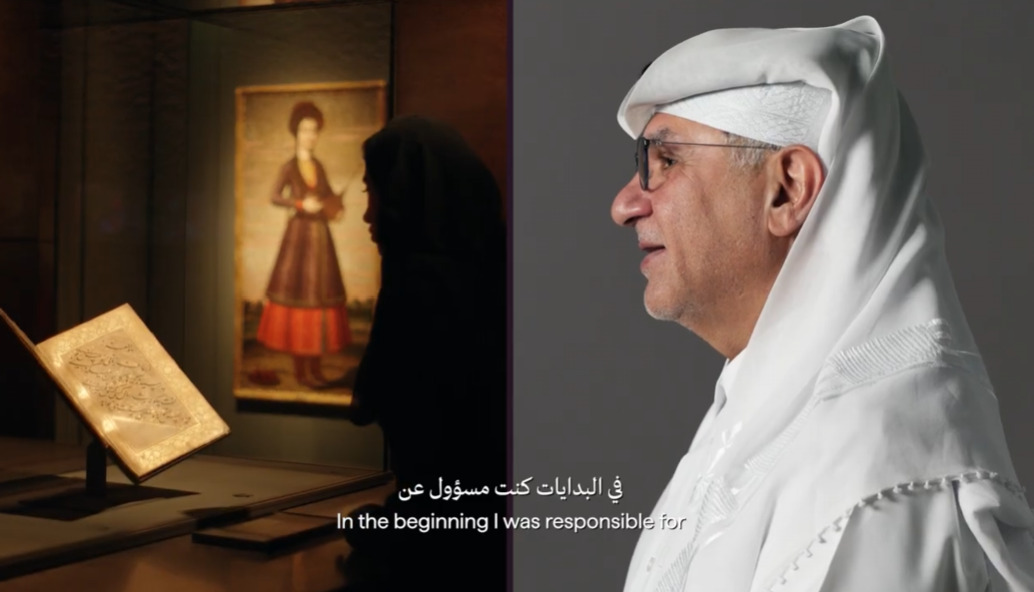 “I think everyone knows and agrees that the bridges extended through art bring people closer in a faster and simpler way without any complications,” he said in the latest Evolution Nation series.
Evolution Nation campaign forms part of Qatar Creates, the year-round cultural movement by Qatar Museums that brings together art, design, food, fashion, film and sport. 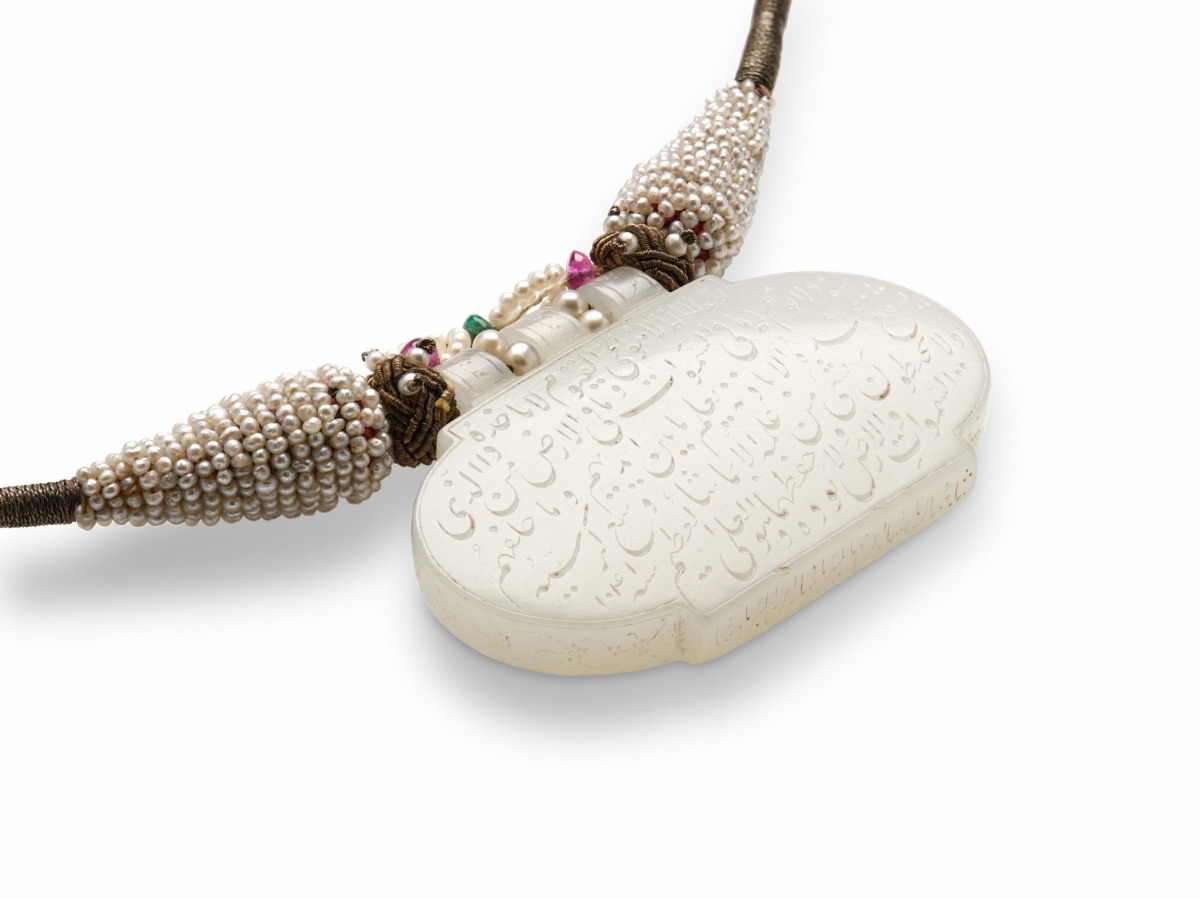 Launched last year to mark 50 years since the establishment of the original National Museum of Qatar in 1975, Evolution Nation celebrates the individuals, institutions and ideas that have contributed to Qatar's cultural development.
The jade plaque is one of the few surviving objects associated with Mughal emperor Shah Jahan (r. 1628–1658 CE). Delicately carved and inscribed on both sides with verses from the Qur’an, floral motifs and royal inscriptions, the pendant is believed to have been created during a period of personal grief following the death of Shah Jahan’s wife, Mumtaz Mahal.
Speaking about the object, Al Najjar said: “One of the pieces that is close to my heart is the amulet piece displayed at the Museum of Islamic Art, it belonged to King Shah Jahan who had it made when his wife Nur Jahan passed away. He would wear this amulet, which carried Ayat Al-Kursi [The Throne Verse] to ease his sorrow. This is one of the pieces that is very close to my heart at the Museum of Islamic Art.”
Founded in 2008, the Museum of Islamic Art was one of the first major projects initiated by Qatar Museums. Designed by renowned Chinese-American architect I. M. Pei, the museum houses one of the world’s most important collections of Islamic art, spanning more than 1,400 years and bringing together objects from across three continents.
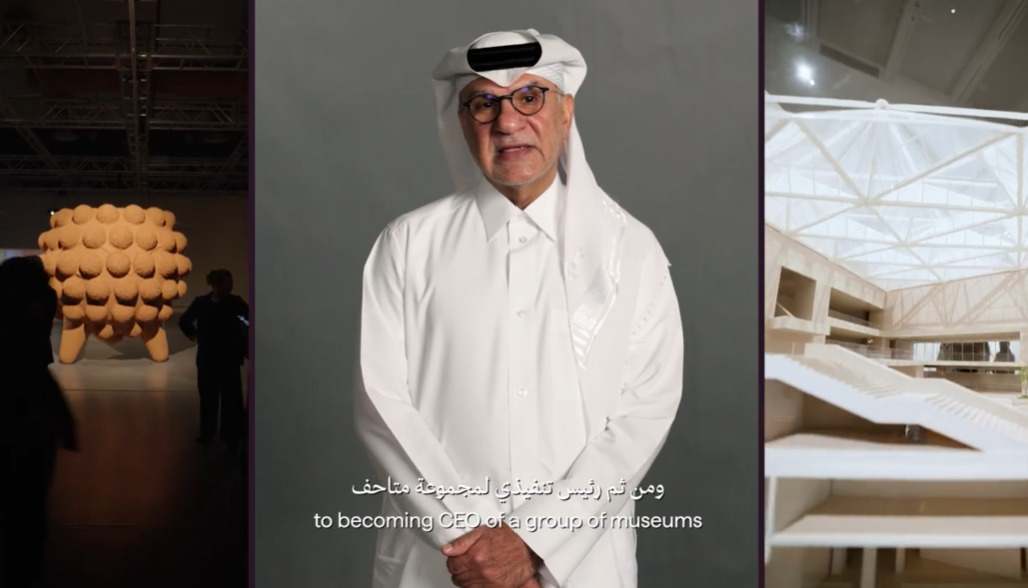
Al Najjar was closely involved in MIA’s early development, overseeing the museum’s opening before later being appointed CEO of the Museums Authority. 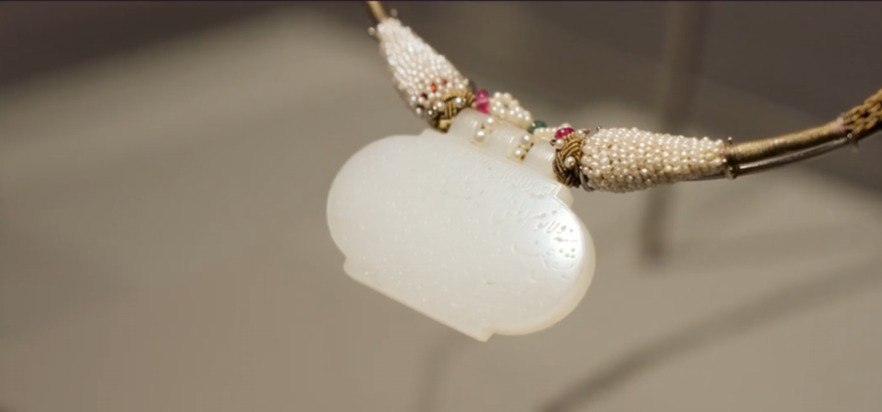 His work coincided with a period when Qatar was expanding its cultural institutions and creating new opportunities for cultural dialogue and exchange. “In the beginning, I was responsible for the opening of the Museum of Islamic Art in Qatar. After that, I was appointed CEO of the Museums Authority, so the responsibility grew from being director of a museum to becoming CEO of a group of museums, as well as projects that were still being established at that time.”
“I hope that I have contributed even in small way, to achieving the vision of His Highness the Father Amir, may God protect him, at that time, and also His Highness Sheikh Tamim bin Hamad Al Thani, the Emir of the country, in supporting the cultural movement, as well as the vision adopted by Sheikha Al Mayassa bint Hamad bin Khalifa Al Thani, Chairperson of the Board of Trustees in the cultural renaissance that our beloved country, Qatar, was witnessing,” he concluded.