DOHA: The Primary Health Care Corporation (PHCC) is set to launch a social media campaign to create awareness among Haj pilgrims about health and safety measures that should be taken during pilgrimage.
The campaign will aim at educating pilgrims about precautionary measures against health problems, especially infectious diseases, PHCC said yesterday.
PHCC will also share information on its Facebook, Twitter and Instagram accounts providing general advisory about maintaining personal hygiene, cooking and serving food hygienically to prevent conditions such as diarrhoea, vomiting and food poisoning during pilgrimage.
The campaign will also educate pilgrims about the importance of washing hands thoroughly with soap and water or a disinfectant, especially after coughing or sneezing, to maintain personal hygiene and prevent infection.
The Saudi Ministry of Health has advised pilgrims to comply with health guidelines to curb the spread of respiratory infections.
Instructions include how to maintain personal hygiene such as washing hands with soap and water or disinfectant, especially after coughing and sneezing, using disposable tissues when coughing or sneezing and disposing them of appropriately, avoiding hand contact with the eyes, nose and mouth and wearing face masks, especially when in crowded places and avoiding direct contact with the infected persons or using their personal gadgets.
The PHCC has urged pilgrims to take vaccinations for meningococcal meningitis, seasonal flu and pneumococcal at least 10 days before leaving for Saudi Arabia.
“It is very Important to take necessary vaccinations because it helps prevent the risk of spreading infectious diseases.
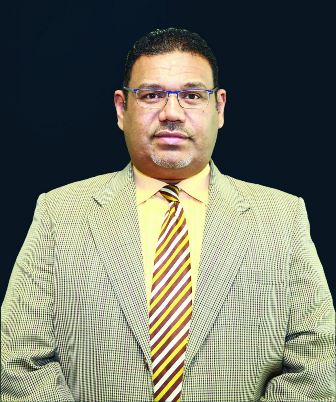
“However, it’s essential to take vaccinations at least 10 days prior to travelling date as it will give enough time for the immune system of a person to create antibiotics against diseases,” said Dr Khalid Alawad (pictured), Director, Communicable Diseases Section, Department of Clinical Affairs, PHCC.
“It is also necessary for the pilgrims to follow recommendations and guidelines for personal health and safety such as hand hygiene,” he added.
He said individuals at a high risk of severe influenza diseases such as pregnant women, children under five years, elderly with health conditions such as asthma, neurological disorders, chronic lung or heart diseases, diabetes, kidney and liver disorders, are urged to take the seasonal flu vaccine. People with obesity are also advised to take the seasonal flu vaccine.
Pneumococcal vaccination is recommended for people aged between 18 and 70 years.
The Peninsula