

Northwestern University in Qatar (NU-Q), in collaboration with Qatar Green Building Council (QGBC), a member of Qatar Foundation, has launched a multimedia news website documenting evolution of Qatar’s architecture and urban development as part of a course called “Advanced Online Storytelling”. The five-week course is an intensive exploration of advanced multimedia reporting designed to simulate a newsroom environment. It also gives students a chance to apply all their multimedia reporting skills in one single class project in preparation for their 10-week residencies.
The website, http://sites.northwestern.edu/buildingdoha/, features a range of journalistic work on transformation of architecture and urban planning in Doha, including the historical and cultural evolution of designs and structures of traditional Qatari houses, their sustainability, and impact of foreign influence on local buildings.
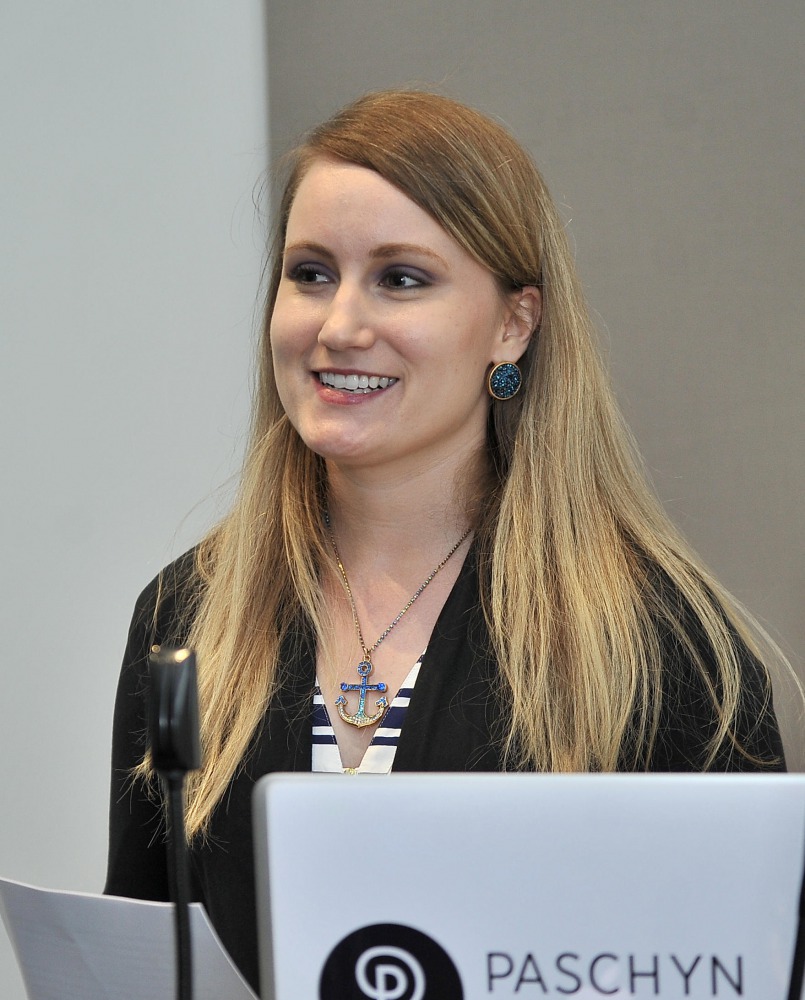
Christina Paschyn (pictured), assistant professor of journalism at Northwestern University in Qatar, mentored students and oversaw production of the website. “We hope that through the website the local and international communities will learn more about why Doha, from the skyline to the traditional houses, looks the way it does,” she said.
Qatar National Vision (QNV) 2030 acknowledges the need to recognise and encourage Qatar’s unique heritage and this extends to country’s architecture, both traditional and more recent development.
The Qatar Green Building Council (QGBC) has continuously advocated for sustainability and green buildings in Qatar, and this includes cultural sustainability, which falls within social aspect of sustainable triple bottom line.
“QGBC considers the cultural sustainability of Qatar’s built environment, to be vital to country’s long-term development,” said Dr Alex Amato, Head of Sustainability at QGBC.
“While Doha’s traditional architecture is important to this story, Doha’s rapid urbanisation since onset of petrochemical wealth, has resulted in formation of many new neighbourhoods that contain architecturally notable buildings that need to be acknowledged for their worth.”
In a span of five weeks of intensive hardwork, students interviewed architects, urban development experts and locals from different neighborhoods, created a historical timeline of Qatar’s progressing architecture and urban development and explored the ties between traditional Qatari culture and foreign influence in different structural designs.
The information they gathered was then packaged into articles, multimedia, and data-animation reports.
“This course helped me advance my audio production skills prior to my internship at National Public Radio in Washington, DC,” said Neha Rashid, a journalism junior at NU-Q.
“I felt like it really accommodated everyone and the necessary skillet they would need on their residencies,” she added.









