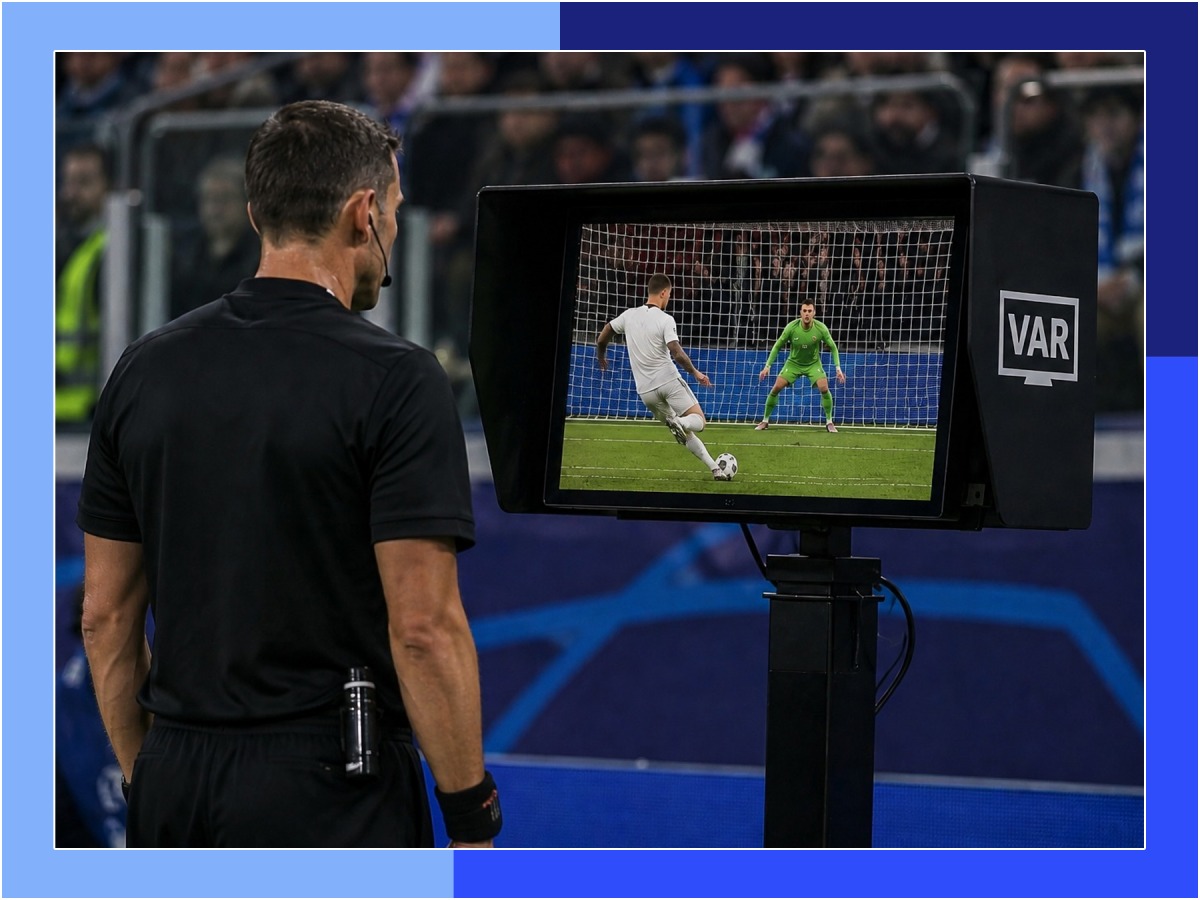
The VAR referee will be empowered to review additional incidents, including certain second-yellow-card situations, incorrect corner-kick decisions and off-the-ball incidents preceding goals or penalties.
Doha, Qatar: The FIFA World Cup has often served as football’s largest testing ground for innovation. From the introduction of goal-line technology in Brazil 2014 to semi-automated offside technology in Qatar 2022, major changes to the sport have frequently made their biggest impact on the game’s grandest stage.
At the 2026 FIFA World Cup, fans will witness a series of new regulations come into force.
While many of the changes appear administrative on the surface, coaches and analysts believe they could influence everything from pressing strategies to game management and even player behavior. Perhaps the most consequential change concerns time management.
Expanded VAR powers
The expansion of VAR intervention is another development likely to attract close scrutiny. The VAR referee will be empowered to review additional incidents, including certain second-yellow-card situations, incorrect corner-kick decisions and off-the-ball incidents preceding goals or penalties.
Supporters may welcome the prospect of correcting more mistakes. Still, the broader authority granted to VAR could reignite debates about the balance between technological accuracy and the traditional flow of the game. Tournament organisers will be hoping the additional powers reduce controversy without increasing delays.
Ten-second substitution rule
Substitutions could also take on greater tactical significance. Under the new regulations, players leaving the pitch must do so within 10 seconds via the nearest boundary line. Any delay can leave their team playing with 10 men temporarily.
While the numerical disadvantage may last only briefly, elite-level football has repeatedly demonstrated how quickly matches can change. Teams chasing goals may seek to exploit these moments aggressively, particularly during the closing stages of knockout fixtures.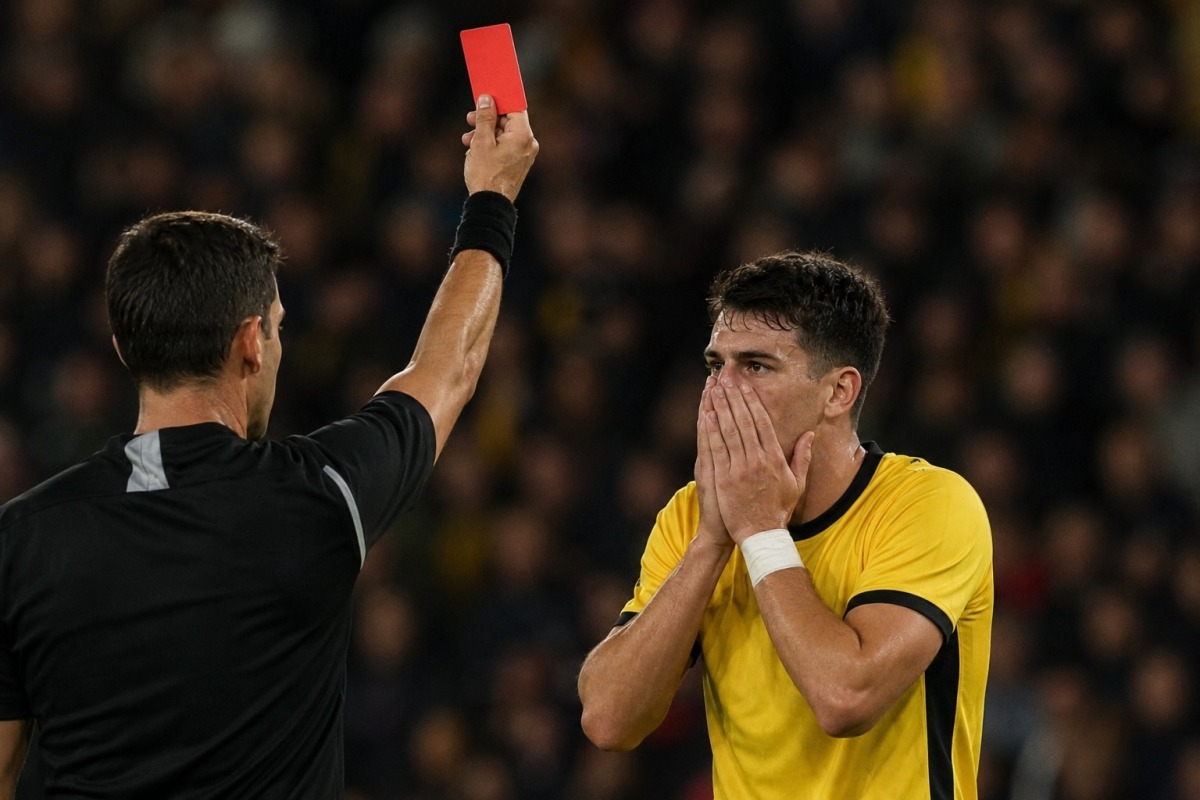 Players or officials who leave the field to protest decisions, or deliberately cover their mouths during confrontations to conceal abusive or discriminatory language, can now be sent off, receiving a red card.
Five-second countdown for throw-ins and goal-kicks
The same philosophy applies to stricter enforcement of throw-ins and goal-kicks. Visible countdowns are expected to accelerate restarts and maintain match rhythm, reducing lengthy interruptions that have often frustrated supporters and broadcasters alike.
If the ball is not thrown in before the countdown ends, possession changes to the opponent, while failure to play the goal-kick within the limit results in a corner kick for the opposition.
Injury-treatment changes
Injury-management procedures have also been revised in an effort to curb tactical stoppages and reduce interruptions to the flow of play.
Under the updated regulations, outfield players who receive medical treatment will generally be required to remain off the field for 60 seconds before being allowed to re-enter.
Goalkeepers remain exempt from the requirement and may continue receiving treatment on the pitch. However, teammates will no longer be permitted to gather around an injured goalkeeper for tactical discussions while treatment is taking place, closing a loophole that some teams have previously used to relay instructions or disrupt the momentum of a match. The amendment is designed to ensure that medical stoppages serve their intended purpose while limiting opportunities for gamesmanship.
Goalkeepers can only hold the ball for 8 seconds
Goalkeepers will now have a maximum of eight seconds to release the ball, with referees instructed to visibly count down the final five seconds. Failure to comply will result in a corner kick for the opposition.
For decades, teams protecting narrow leads have relied on goalkeepers to slow the tempo during the closing stages of matches. The new law effectively removes one of football’s most common time-management tools. Coaches may now instruct defenders to provide immediate passing options, while opposing attackers could intensify their pressing efforts knowing goalkeepers have little margin for delay.
Faster offside decisions
Enhanced semi-automated offside technology represents another step forward in officiating. The upgraded system, first tested during the FIFA Club World Cup 2025, promises quicker decisions through advanced sensors and tracking technology.
For attackers, however, the margin for error will become even smaller. Forward players who previously relied on split-second advantages against defensive lines may find themselves caught offside with greater frequency as technology becomes increasingly precise.
New red-card offences
Away from tactical considerations, FIFA has also introduced stricter disciplinary measures. Players or officials who leave the field to protest decisions, or deliberately cover their mouths during confrontations to conceal abusive or discriminatory language, can now be sent off, receiving a red card.
The measures reflect football’s growing determination to improve behaviour on and off the field while strengthening accountability among players and coaching staff.
Referee body cameras
Referee body cameras may become one of the tournament’s most visible innovations. Selected footage is expected to provide viewers with unprecedented insight into decision-making processes, potentially helping supporters better understand contentious calls while offering valuable material for referee development programmes.
Taken individually, many of the new laws appear modest. Collectively, however, they represent a concerted effort by FIFA and IFAB to make football faster, more transparent and less susceptible to gamesmanship.
Whether the changes ultimately improve the spectacle will be determined on the pitch. What is certain is that when the first whistle blows at World Cup 2026, players, coaches and officials will be operating under a significantly revised set of conditions, one that could shape the tournament in ways not yet fully understood.