Doha, Qatar: Qatar’s maritime sector posted robust operational performance during the first six months of 2026, with the country’s ports handling more than 493,000 twenty-foot equivalent units (TEUs) of container cargo and nearly 273,000 tonnes of general cargo, underscoring the continued strength of the nation’s logistics and supply chain network.
According to performance figures released by Mwani Qatar yesterday, the country’s ports processed 493,105 TEUs between January and June 2026. During the same period, they handled 273,325 tonnes of general cargo, highlighting sustained import and export activity across a wide range of sectors.
The latest data also showed that Qatar’s ports managed 324,512 tonnes of bulk cargo, while handling 24,652 roll-on/roll-off (RORO) units, reflecting steady demand for vehicle and heavy equipment transportation. In addition, the ports received 112,492 head of livestock, supporting the country’s food security requirements and ensuring a stable supply of agricultural products.
Overall, 866 vessels called at Qatar’s ports during the first half of the year, demonstrating the country’s continued importance as a regional maritime and logistics hub.
The operational performance was recorded across Qatar’s three key ports - Hamad Port, Doha Port, and Ruwais Port which play a strategic role in facilitating the movement of cargo and supporting the nation’s growing trade activities.
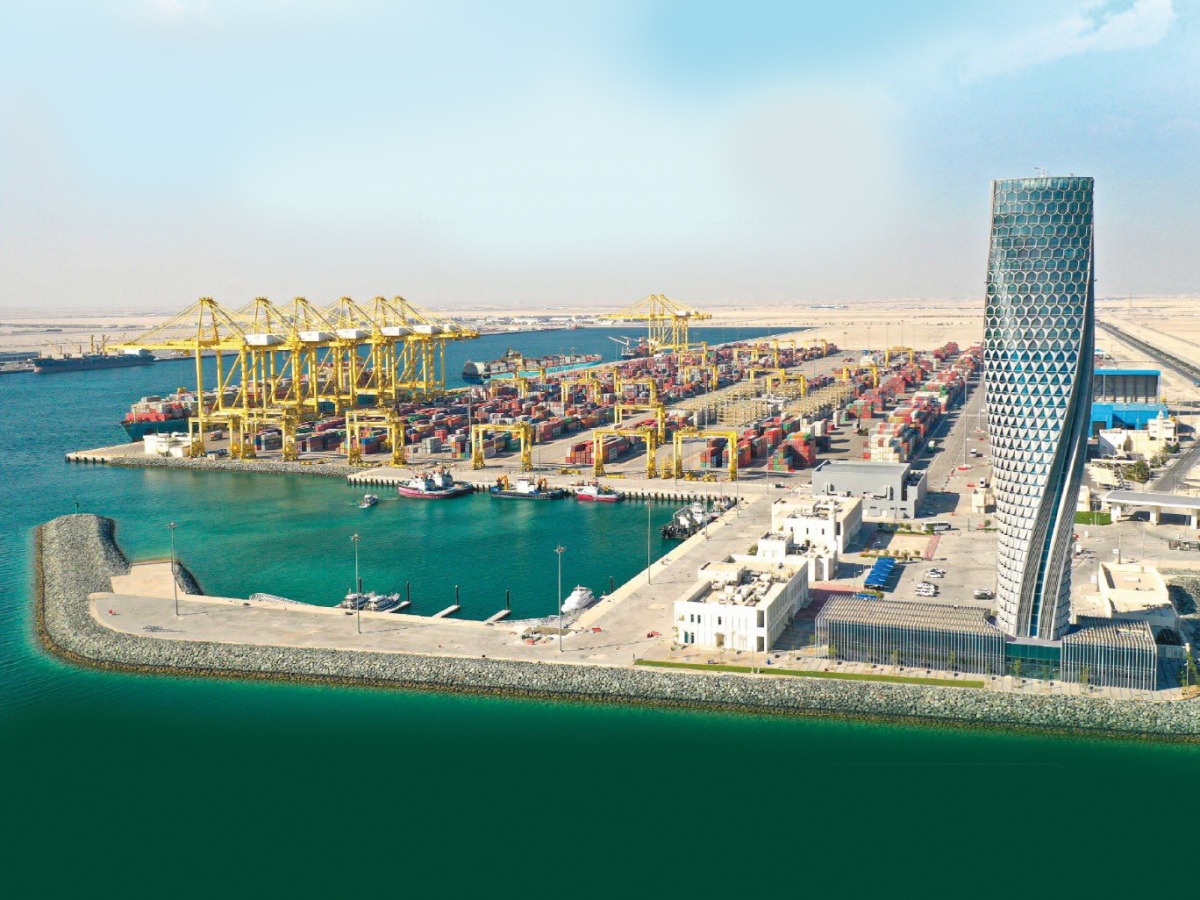
Hamad Port, Qatar’s flagship port continues to serve as the country’s primary gateway for international trade. Equipped with advanced infrastructure and modern cargo-handling facilities, the port accommodates some of the world’s largest container vessels and supports efficient movement of containerised, bulk, and general cargo.
Meanwhile, Doha Port complements the country’s maritime operations by serving cruise tourism and specialised cargo activities, while Ruwais Port plays a vital role in regional trade and supporting northern Qatar through feeder services and cargo operations.
The handling of nearly half a million TEUs during the six-month period reflects the resilience of Qatar’s maritime logistics sector amid growing regional trade and continued investments in port infrastructure. Strong container throughput is widely regarded as an important indicator of economic activity, as it reflects the movement of goods.
Qatar has continued to invest significantly in modernising its maritime infrastructure, improving operational efficiency, and expanding connectivity with regional and international shipping routes. These initiatives have enhanced the country’s competitiveness and reinforced its position as an important logistics gateway connecting Asia, Europe, and Africa.
The steady growth in cargo volumes reflects the effectiveness of Qatar’s integrated transport and logistics strategy, supported by advanced digital systems, streamlined customs procedures, and world-class port facilities.
With strong cargo volumes recorded during the first half of 2026, Qatar’s ports remain well positioned to support the country’s economic diversification agenda and facilitate increasing trade flows in the months ahead.