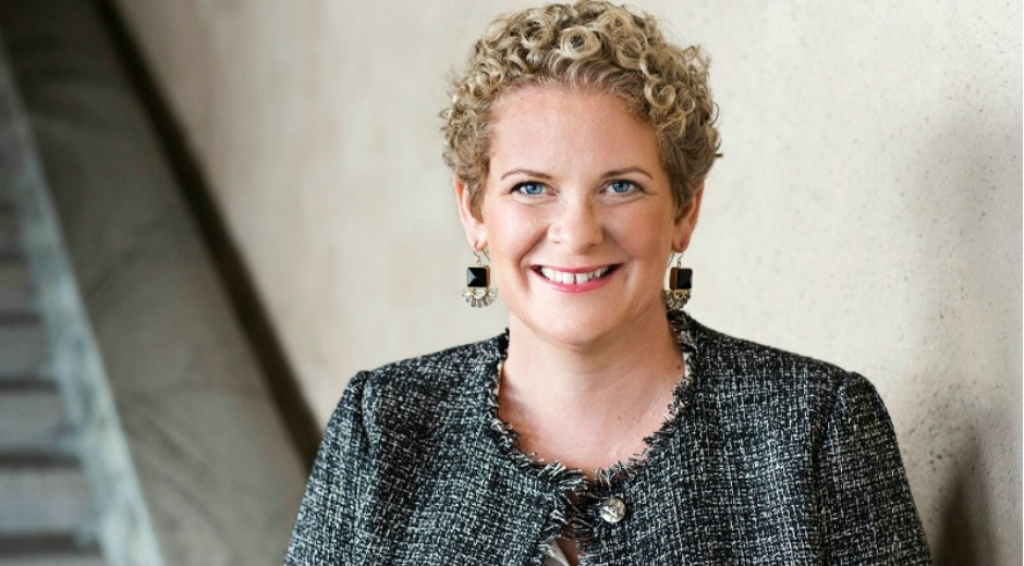
LONDON: Karin Wanngård, the mayor of Stockholm, rides an electric bike to work each morning – at least when it is not snowing too heavily.
She also wears second-hand clothing – a trendy move in Stockholm, she says – and eats less meat than she used to. It is all part of her contribution to meeting an ambitious goal she set for her city: eliminating all use of coal, oil and other fossil fuels by 2040.
“Leadership is really important when you want to make things happen,” said the 41-year-old, who has run Sweden’s capital city since 2014. “You can always have politicians making nice speeches but when it comes to action you need to have leadership.”
Around the world, cities are increasingly at the forefront of action to curb climate change. Some, like Stockholm, have set ambitious emissions reduction goals, while others have pushed ahead with climate policies despite national policy reversals, such as under President Donald Trump in the United States.
Increasingly, many of the cities leading on climate change – Paris, Washington, Sydney, Cape Town – are run by women.
In two years, the number of women leading large cities that are at the forefront of climate action has risen from four to 16, according to the C40 Cities network of more than 80 cities committed to addressing climate change, which is organising a conference for women leaders in New York this month.
“Men are also really great on topics like (climate change),” Wanngård told the Thomson Reuters Foundation in a telephone interview.
But most women “look to our children and we really strive forward", said the mayor who has a 7-year-old daughter and 3-year-old son.
FEWER CARS, HIGHER STANDARDS
In Stockholm, action to curb climate change is evident nearly everywhere. A 10-year-old congestion charge has cut car traffic, and the city is experimenting with closing some streets to traffic for part of the summer, leaving them free for pedestrians.
The city announced last month that it would shut its oldest coal power plant by 2022 – “that’s really soon in this business”, Wanngård said – and replace it with a plant that uses biogas from composed household waste.
Stockholm also is on the verge of signing a contract with a large company that would build a plant there and sell the city its waste manufacturing heat. That could be fed into a set of pipes to provide heating to homes and businesses as part of the city’s “district heating” system, the mayor said.
The city’s rules for energy efficiency and other green features in new apartment buildings are tougher than elsewhere in Sweden – a source of irritation to some builders.
“Big companies say it would be easier for us if we had the same policies overall (across Sweden). I just tell them I can make sure our higher standards will become the policy for all Sweden – and then they are quiet,” Wanngård said.
“So far citizens are really on our side,” she said – even if some drivers do gripe about city streets being closed in summer. “All our citizens are really aware we need to push the boundaries to fulfill our goals,” she said.
When it comes to setting ambitious policy, “you need to take the bold decisions and accept the debate and then later on it will kind of cool down”, she said.