DOHA: With some 50,000 movies made every year across the world, how can Arab filmmakers find their footing in the international market?
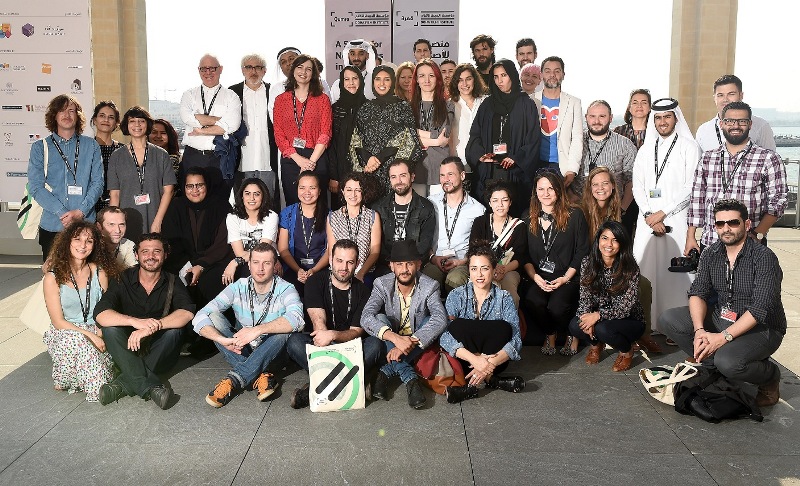
This was one of the key topics discussed at the second edition of Qumra, the annual industry event by Doha Film Institute (DFI) designed to nurture the development of emerging filmmakers.
Through a series of one-on-one meetings, consultations and tutorials, delegates at Qumra — producers and directors associated with the 33 projects from 19 countries selected for the industry programme — are providing deep insights on how their films can find their voice in the global film market.
Welcoming the industry experts and delegates, Fatma Al Remaihi, CEO, DFI, said: “At its heart, the mission of the event is to support emerging filmmakers.
“The programme has been designed with the goal to create a supportive and productive space for projects by emerging filmmakers to be nurtured and provide maximum opportunities for our filmmakers to benefit from the wisdom of the most experienced industry experts in the world.”
Elia Suleiman, Artistic Adviser, DFI, said, “The imagination and poetry of our young filmmakers serve as a resistance to these borders. The fact that we are at Qumra shows the confidence in our filmmakers to break these barriers”.
Hanaa Issa, Deputy Director, Qumra, said: “In many ways, Qumra is the culmination of the work we have been doing at DFI over five years. It builds on support we give to filmmakers through our education and development programmes, our funding programmes, and our screenings and film appreciation initiatives.”
Qatari filmmaker Jassim Al Rumaihi, whose film The Palm Tree (Qatar, No Dialogue, 2015) screened in the New Voices in Cinema segment of Qumra, said the meetings at Qumra provide a credible platform to meet experts and take movies to a wider audience.
His second project Amer: The Arabian Legend (Qatar; Arabic, English; 2016) is one of the projects chosen at Qumra.
Al Rumaihi said while he had a rough cut of his second project, he attended Qumra with an open mind. “I did my first film with no expectations. Now that it has been received well, there is the pressure to be better. I think that is natural for any filmmaker. It is a positive force and Qumra helps channel my work in the right direction.”
Sharing insights on taking Arab films to new markets during a working breakfast session, Cameron Bailey, Artistic Director, Toronto International Film Festival, said the key is to know the audience for the films and push oneself out there and tell their story.
“Being an English-language driven market, it is important to be aware how you use English and how much of the content will be in the language. Having a trailer that grabs attention, a sales agent who can cut through the clutter and build a personal narrative around the filmmakers will help raise visibility.”
Heidi Tao Yang, Industry Programmer, Funds & Deal Maker, Hot Docs Canadian International Documentary Film Festival, highlighted the shifting trends in how documentaries are viewed today.
“Research shows some 95 percent of the people who watch documentaries do it at home. Getting a good publicist and engaging on social media are important.”
In addition to the networking sessions, Qumra also features Master Classes by five Qumra Masters — James Schamus, Joshua Oppenheimer, Naomi Kawase, Nuri Bilge Ceylan and Aleksandr Sokurov.
Qumra also offers the public the opportunity to attend screenings organised in two segments: New Voices in Cinema and Modern Masters Screening.
All screenings take place at Museum of Islamic Art Auditorium and tickets are on sale at www.dohafilminstitute.com.
The Peninsula