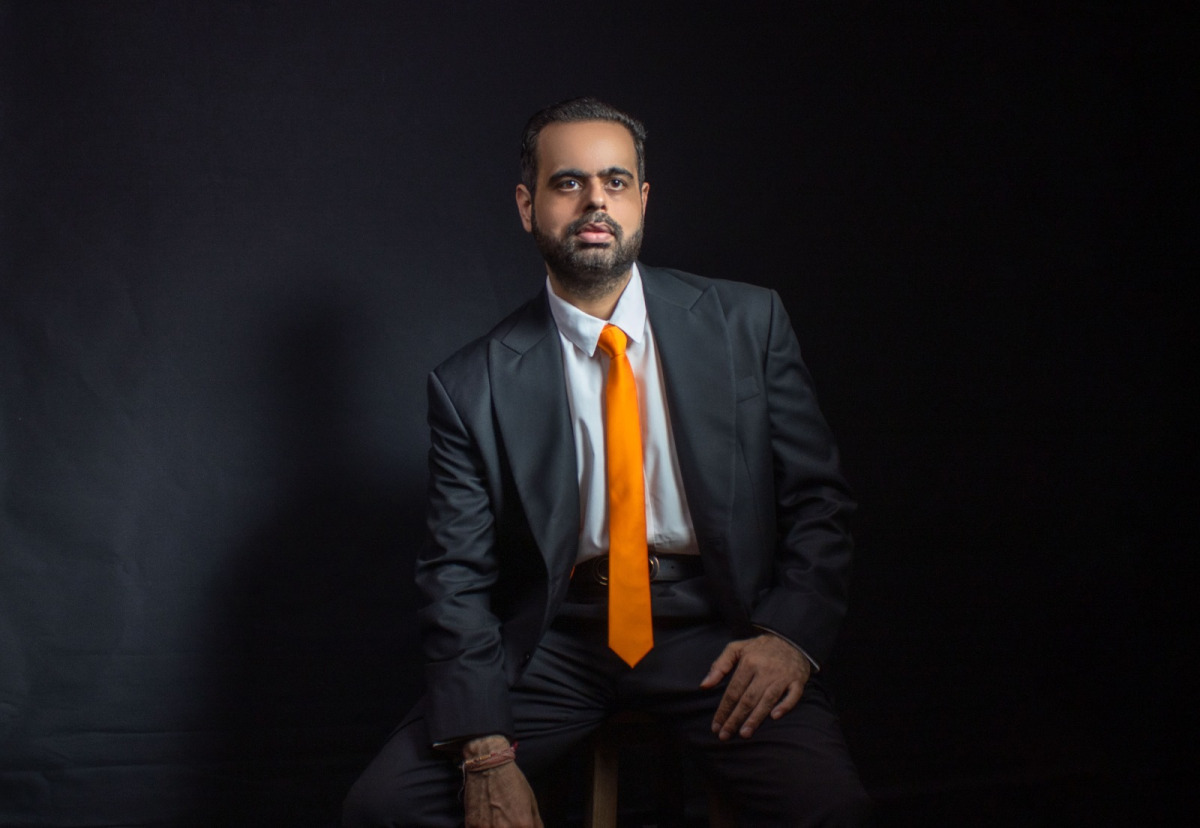
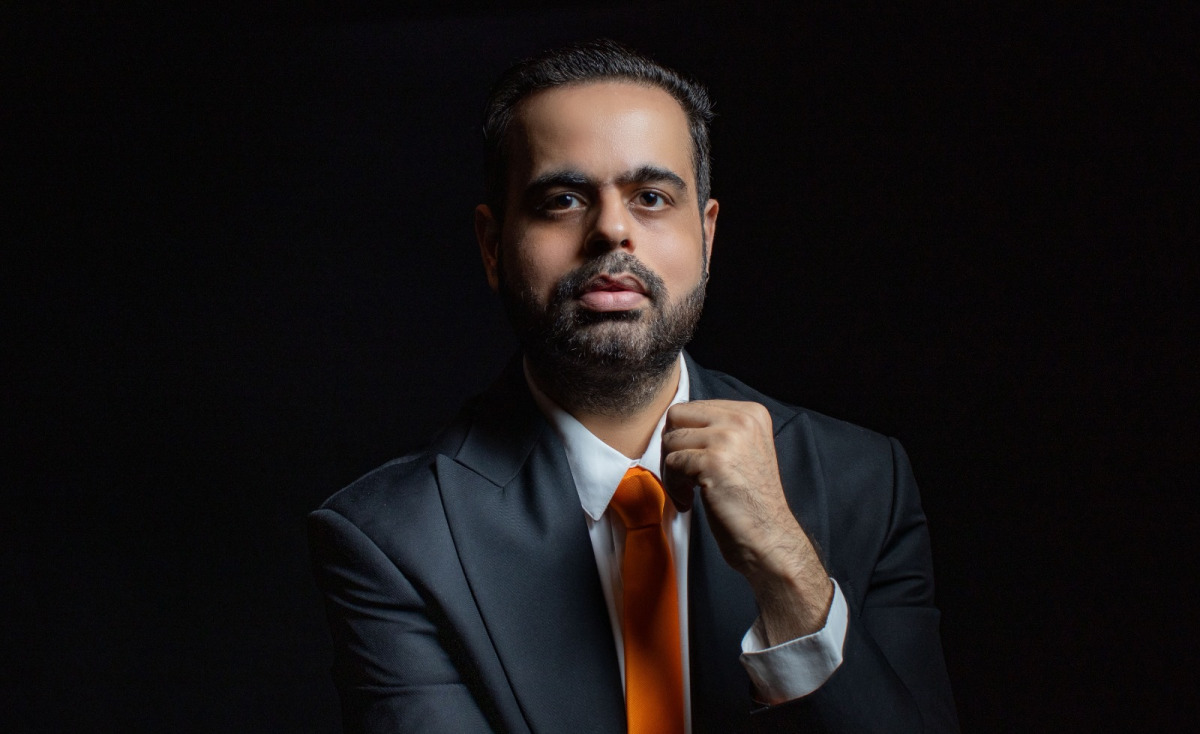
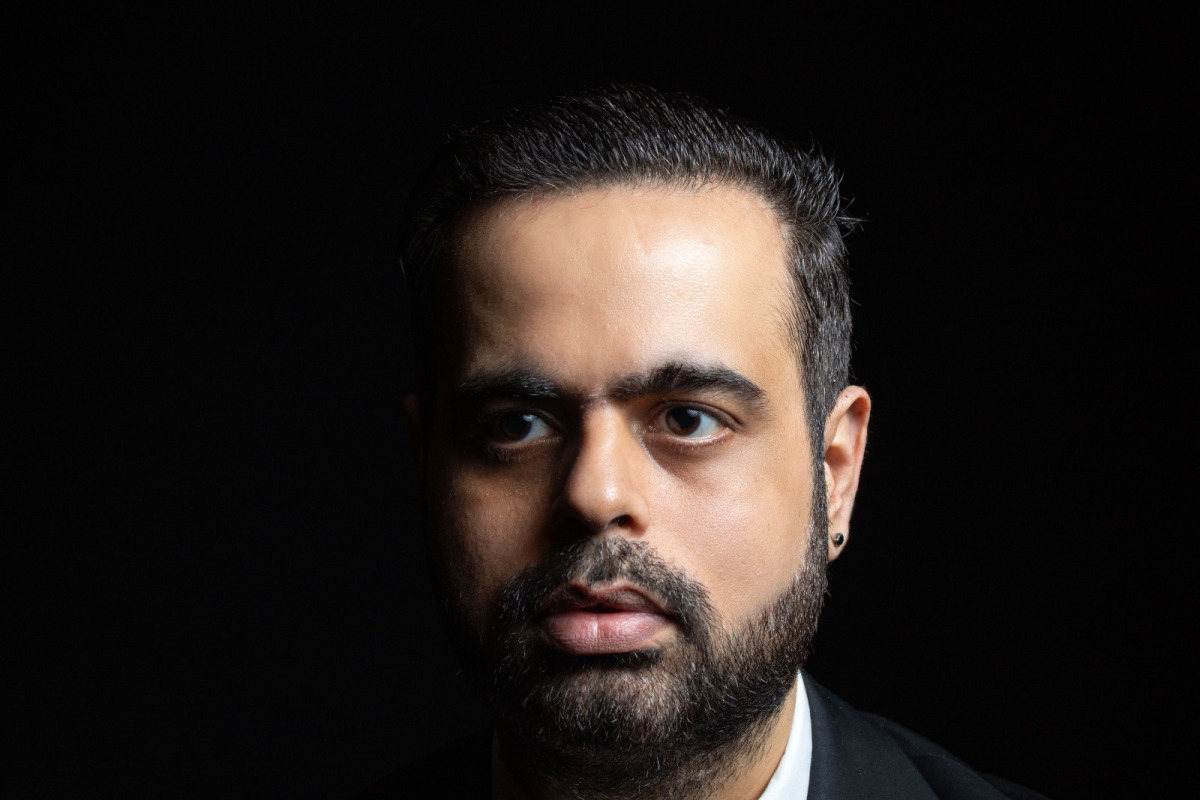
Maser Group Chairman and MDR Investments CEO Prateek Suri
Doha, Qatar: Maser Group Chairman and MDR Investments CEO Prateek Suri says deeper cooperation between African economies and the Gulf could define one of the most important economic relationships of the coming decades.
The growing economic links between Africa and the Gulf are creating the foundations of a new economic corridor, according to Prateek Suri, Chairman of Maser Group and CEO of MDR Investments.
Suri, who has built businesses across Africa and the GCC, says the two regions offer complementary strengths, with Africa providing resources, land, a young population and significant infrastructure needs, while the Gulf brings capital, logistics expertise and global connectivity.
He says successful leadership across the two regions requires an ability to adapt to different cultures and business environments while maintaining consistent values.
Suri says he has learned that leadership cannot be exported from one country to another in a fixed format. Africa itself is not one market, just as the GCC is not one market. Every country has its own culture, pace of decision-making and way of building trust.
His approach is to listen before he leads. In many African markets, relationships and long-term commitment carry enormous importance. In the Gulf, he has seen a remarkable combination of relationship-driven business and ambitious, fast-moving execution. Leaders have to respect both.
What remains constant is credibility. People need to know that when leaders make a commitment, they will stand behind it. Successful global leaders adapt their style without changing their values.
A new Africa-Gulf economic corridor
Suri believes the growing links between the two regions could develop into a major economic relationship over the coming decades.
He strongly believes an Africa–Gulf economic corridor is taking shape, and it could become one of the most important economic relationships of the coming decades.
Africa has resources, land, a young population and enormous infrastructure requirements. The Gulf has capital, logistics expertise, global connectivity and an increasingly sophisticated investment ecosystem. The two regions are highly complementary.
What is particularly impressive is how countries such as the UAE and Qatar have transformed themselves into globally connected economies. Qatar has demonstrated how long-term vision, infrastructure investment and strategic deployment of capital can give a relatively small country significant global economic influence. There are lessons in that journey for many emerging economies.
For Suri and his businesses, the opportunity is to become a bridge between these ecosystems. Through Maser Group and MDR Investments, their ambition is not simply to move capital between the Gulf and Africa. They want to connect capital with real opportunities on the ground and build businesses and assets that have long-term economic relevance.
AI and the physical infrastructure behind it
Suri also sees artificial intelligence as a major investment opportunity, but argues that the discussion around AI needs to extend beyond software and the cloud.
He views AI as an extraordinary opportunity, but believes it is sometimes discussed as though it exists entirely in the cloud. In reality, the AI economy requires enormous physical infrastructure — data centres, electricity, land, connectivity, cooling systems and increasingly renewable sources of energy.
This creates a very interesting opportunity for emerging economies.
For Africa, the objective should not simply be to become a consumer of AI developed elsewhere. The continent should participate in the infrastructure and economic value chain behind it. At the same time, the Gulf, including Qatar, has the capital, infrastructure and ambition to become an important participant in the next generation of the global digital economy.
Suri believes the balance comes from asking a simple question: does technology ultimately improve productive capacity and opportunity? If investment in AI also strengthens power infrastructure, connectivity, skills and employment, then technology and development do not have to compete with each other. They can reinforce each other.
Infrastructure demands a multidisciplinary approach
With growing interests in infrastructure, energy, mining and AI, Suri says the next generation of development will require leaders to look across industries rather than operate within narrow sectors.
He believes the next generation of infrastructure will require leaders who can think across sectors rather than within individual industries.
A mine requires energy and logistics. A data centre requires power, connectivity and land. A new industrial zone requires roads, housing and supply chains. Increasingly, everything is interconnected.
That means leadership has to become more multidisciplinary. Leaders need to understand capital, government priorities, technology, local communities and execution at the same time.
Suri also believes patience will become an important leadership quality. Building infrastructure is very different from building a digital company. These are long-duration investments. Investors cannot enter a country thinking only about the next quarter. They have to think about what they can build over ten or twenty years.
Energy, minerals, logistics and data infrastructure
Looking toward the next decade, Suri sees opportunities across a range of sectors linking the Gulf and Africa.
He sees tremendous potential in energy, minerals, logistics, food security, data infrastructure, construction and industrial development.
But perhaps the biggest opportunity is not any single sector. It is connecting African resources and opportunities with Gulf capital, expertise and global distribution networks.
Countries such as Qatar are particularly interesting in this context. Qatar has built world-class infrastructure and developed a strong international investment outlook while maintaining a clear long-term national vision. Suri believes there is considerable scope for that experience and capital to participate more deeply in Africa’s next phase of infrastructure and industrial development.
He believes the next phase should also be about partnerships rather than traditional investor-recipient relationships. Businesses should be created together, infrastructure developed together and global markets accessed together. That is a much more powerful and sustainable economic relationship.
Building wealth beyond individual transactions
Suri says the leaders shaping Africa and the Middle East over the coming decade will need to look beyond individual transactions and focus on creating institutions, industries and ecosystems that can generate opportunities over the long term.
He believes leaders will need to think beyond transactions.
Creating wealth is important, but sustainable wealth comes from building institutions, industries and ecosystems that continue creating opportunities long after an individual investment has been made.
Africa has one of the youngest populations in the world, while the Middle East is undergoing an extraordinary economic transformation. When looking at the development ambitions of countries such as the UAE, Qatar and Saudi Arabia, it is clear how strongly the region is thinking about its economic position for the next generation.
Suri believes the leaders who matter over the next decade will be those who are comfortable taking calculated risks, crossing borders and thinking long term. They must understand technology, but they must also understand people.
For Suri, the ultimate measure of leadership is not simply how large a company becomes. It is whether that growth creates something around it — jobs, infrastructure, knowledge, new businesses and opportunities for the generation that follows.