Doha: Women’s Hospital, a member of Hamad Medical Corporation (HMC) has highlighted significant health benefits of breastfeeding as part of World Breastfeeding Week celebrations from August 1 to 7.
This year’s global theme highlights how breastfeeding is a key element in getting us to think about how to value our wellbeing from the start of life.
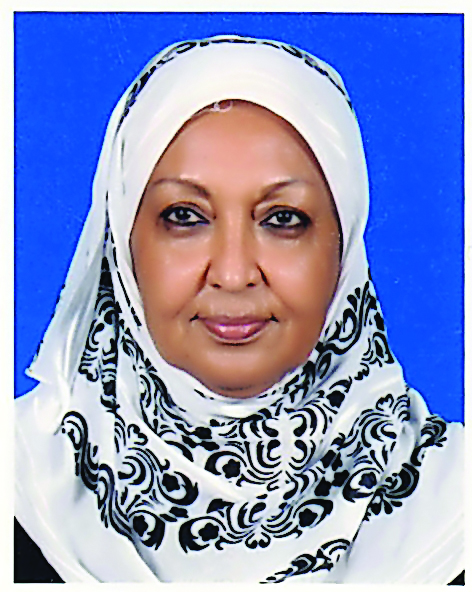
Dr. Amal Abu Bakr (pictured), Lead Lactation Consultant and Chairperson of Breastfeeding Committee at the hospital, said, “World Health Organisation (WHO) recommends that babies are exclusively breastfed (without water, herbs, other milk or food) starting within one hour after birth for at least six months.”
She said breastfeeding is an ideal and complete form of nutrition for infants up to six months and affirms WHO recommendation that breastfeeding should continue for up to two years with the addition of timely, healthy supplementary food.
Najla Alkuwari, a young Qatari mother of three, said, “What I learned during my pregnancies is that I didn’t need to supplement my breast milk with formula. I also learned that the traditional methods practiced by my mother and her mother of feeding a baby date water or herbal water to help ease constipation or gas is not beneficial and may hinder successful breastfeeding. Older generations may believe a mother’s milk alone isn’t enough, but I never found that to be true.”
Dr. Abu Bakr said: “Introducing any other supplements during the first six months especially can make it very difficult for a woman to exclusively breastfeed, it can reduce her milk supply and if a baby is fed with a bottle it will likely cause nipple confusion. As a result, women may give in to frustration and give up on breastfeeding too early.”
With her first child, Najla surpassed her goal of six months and went on to breastfeed until she got pregnant with her second child. During this time, she shared information with her mother about what she was learning and set up a breastfeeding support group on social media with her family and friends.
“The older generation recognises that breastfeeding is good, but they also think babies need formula to sleep well at night and believes that a mother’s milk may be lacking in nutrients,” she added.
Breast milk is full of living cells, hormones and antibodies that provide protective immunity against infections and chronic diseases like obesity, diabetes, cardiovascular disease and childhood leukaemia.
“It contains all nutrients needed for the child’s optimal growth and development. The cholesterol and fatty acids in breast milk promote higher intelligence in children.
“Formula milk lacks nutrients, hormones and antibodies present in mother’s milk,” Dr. Abu Bakr said.
“It is also more difficult to digest as it changes good microbes in the baby’s digestive system to bad ones and is more likely to cause negative reactions such as constipation, gas pain and colic, a frustrating condition marked by predictable periods of significant distress in a well-fed, healthy baby.”
Scientific evidence proves that breastfeeding is beneficial to a mother’s physical and emotional health. It strengthens the bond between mother and child, aids in postpartum recovery, reduces the risk of postpartum bleeding, anaemia, breast and ovarian cancer, hypertension, type 2 diabetes, and osteoporosis during menopause. There is also less postpartum anxiety and depression among breastfeeding mothers compared with those who do not breastfeed.
“We need to work together to encourage mothers to breastfeed,” said Dr. Abu Bakr. “Our aim is to partner with women like Najla to support our awareness and education programmes which provide information about how breastfeeding can promote wellness for mothers and their babies.”
Dr. Abu Bakr runs a daily breastfeeding clinic from 9am to 11:30am in the Outpatient Department of the hospital. Alongside other staff, she will be running an awareness and advocacy day on Sunday to mark the week.
The Peninsula