Doha, Qatar: Primary Health Care Corporation (PHCC) has launched a comprehensive awareness campaign to mark this year’s World Breastfeeding Week, observed at the beginning of August under the theme, “Breastfeeding for a Sustainable Start in Life: Strengthen What Works.” The campaign aims to raise community awareness of the importance of breastfeeding for the health of both mothers and children and to promote healthy practices from the earliest stages of a child’s life.
As part of its commitment to supporting maternal and child health and reinforcing global initiatives that encourage breastfeeding—most notably the Baby-Friendly Hospital and Health Center Initiative—the campaign includes a range of educational activities and community outreach programs both within PHCC health centers and across the wider community.
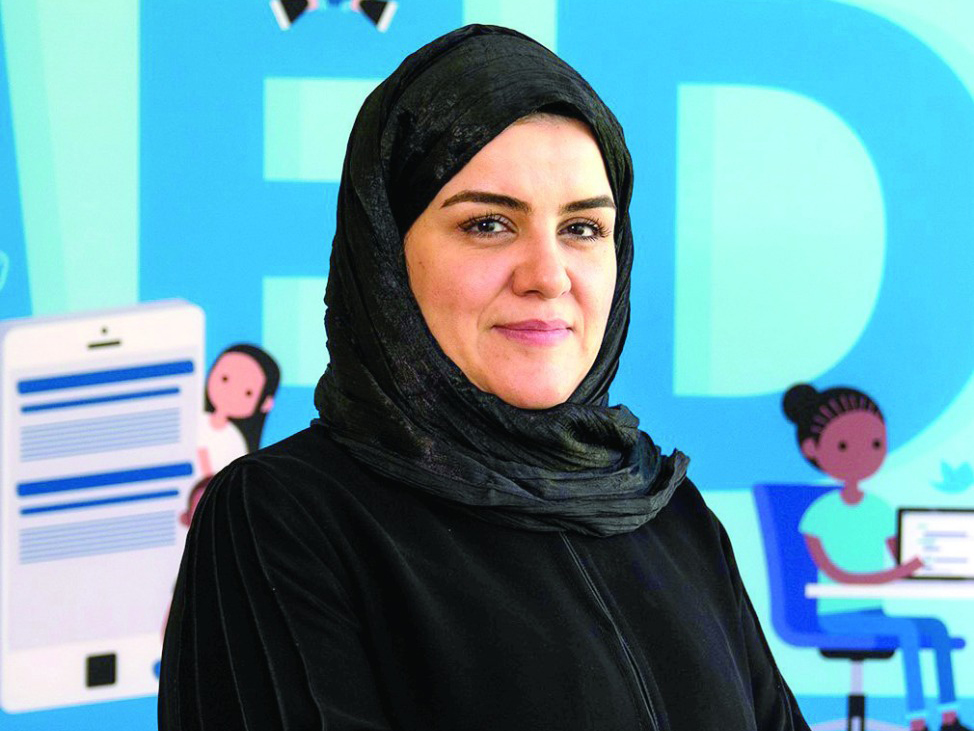
Assistant Director of Medicine for Child and Adolescent Health Services at PHCC, Dr. Sadriya Al Kohji (pictured) said that the campaign includes publishing awareness messages through social media platforms highlighting the importance of breastfeeding and continuing it beyond birth.
It also features a live Instagram session to discuss the benefits of breastfeeding and provide guidance on maintaining breastfeeding after delivery. In addition, PHCC is organizing awareness booths at all health centers, where educational brochures in both Arabic and English will be distributed. These materials explain the benefits of breastfeeding, outline the essential nutrients found in breast milk, and highlight its role in strengthening children’s immunity and protecting them against a range of common childhood illnesses and infections.
Breastfeeding supports children’s health in both the short and long term. Breast milk contains natural antibodies that help protect infants from common childhood illnesses such as diarrhea and various infections. Through its services, PHCC recommends exclusive breastfeeding during the first six months of life without introducing any additional food or liquids, including water.
After six months, breastfeeding should continue alongside the gradual introduction of appropriate complementary foods until the child reaches two years of age. Studies indicate that children who are breastfed are less likely to develop obesity, overweight, or type 2 diabetes later in life. Breastfeeding has also been associated with better cognitive development outcomes.
Dr. Al Kohji added that the benefits of breastfeeding extend to mothers as well. It helps reduce certain complications during the first weeks after childbirth and lowers the risk of breast cancer, ovarian cancer, and type 2 diabetes.
It may also help reduce stress and anxiety associated with the postpartum period and contribute to preventing chronic conditions such as obesity, cardiovascular disease, and high blood lipid levels. Beyond its health benefits, breastfeeding provides infants with safe, clean, and naturally temperature-appropriate nutrition while also saving families both time and money.