Doha: Mexican craft is taking centre stage across Doha this fall, with a programme of exhibitions, design collaborations, and culinary experiences exploring how skills passed down through generations continue to shape contemporary life.
Presented as part of the Qatar, Canada and Mexico 2026 Year of Culture, the programme introduces audiences to the people, materials, and ideas behind the work.
In both countries, makers are finding new applications for traditional techniques by connecting cultural heritage with the ways people live today.
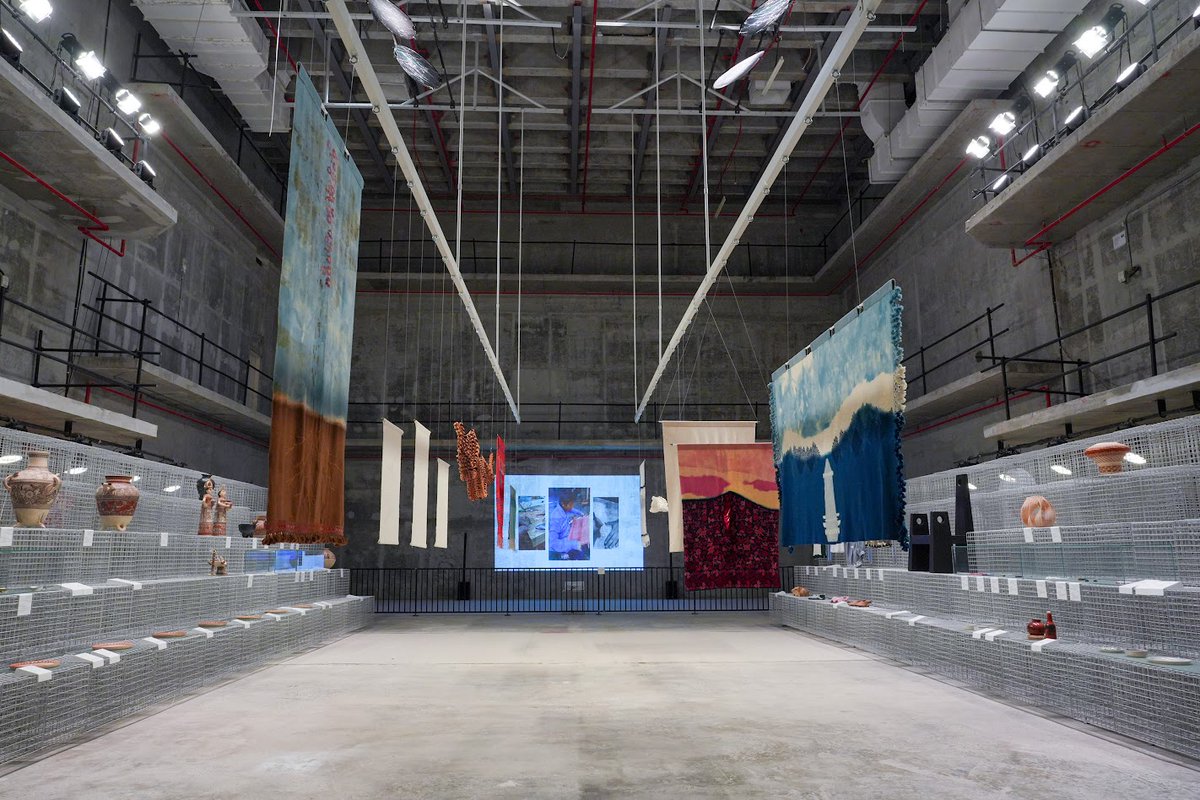
At the heart of the programme is Expanded Tradition: Contemporary Craft Practices in Mexico, on view at M7 from 27 October to 26 December 2026. Curated by Ana Elena Mallet, the exhibition brings together 106 works by 26 makers and collectives from 12 Mexican states.
At MIHAD Gallery in Doha Design District, craft becomes part of the experience of sharing a meal. Panadería Rosetta, led by Mexican chef Elena Reygadas, brings the Mexico City bakery to Doha for its first residency in the city, from 05 to 15 November 2026.
Its baking is presented alongside handmade ceramics and lighting by Mexican designer Perla Valtierra, connecting the food with the objects and surroundings in which it is enjoyed.
In Doha, visitors can experience The Sower, Laposse’s installation at Fareej Al Asmakh. Curated by Mario Ballesteros, the installation unfolds in three parts. The past is represented by pearls and cochineal: two natural resources and two forms of ancestral knowledge that once connected Qatar and Mexico to world trade. The exhibition is on view during the Design Doha Biennale, from 5 November 2026 to 31 January 2027.
The Years of Culture partner-year model is built on exchange, and Mexico offers Qatar a mirror. Both countries have crafts shaped by harsh landscapes, family transmission and trade.